
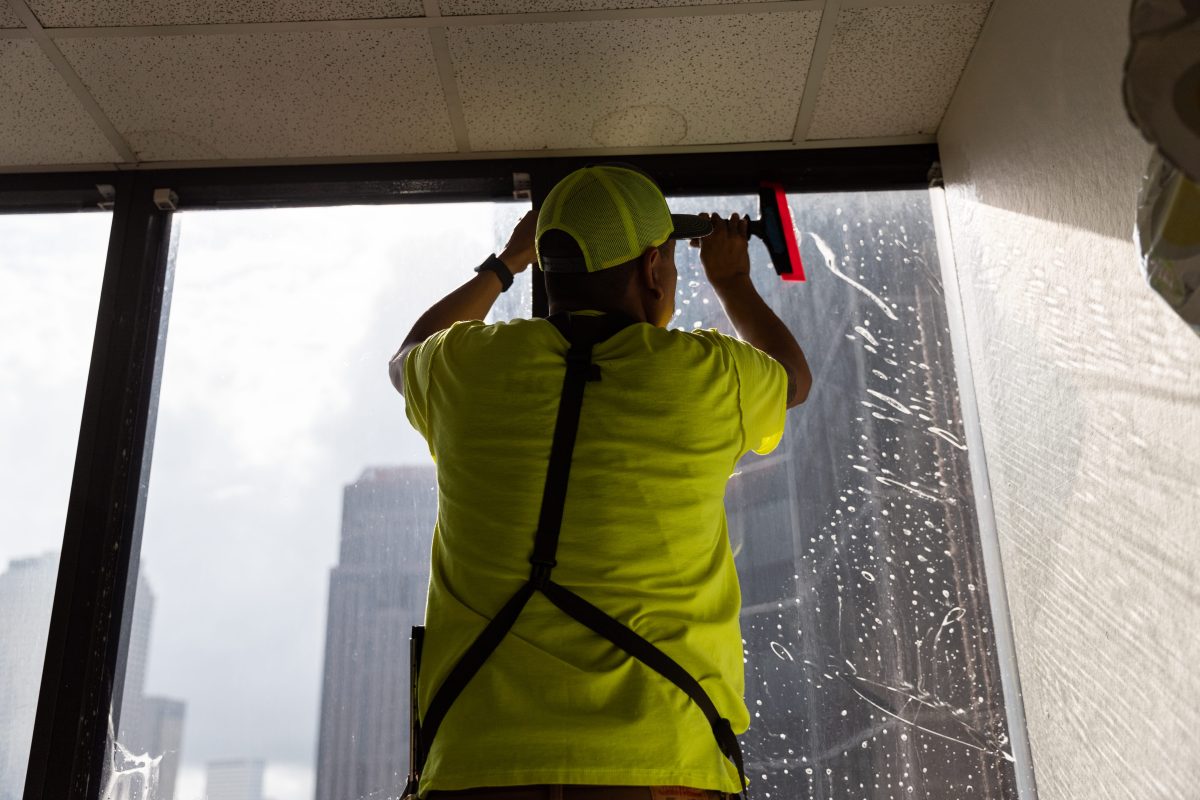
Window film is a thin, flexible layer of material that is applied to the surface of windows. Made from various materials like polyester or tinted metal, window films come in different shades, colors, and thicknesses, offering a range of benefits. The primary function of window film is to control the amount of sunlight and heat entering a space, improving comfort and energy efficiency.
How does it work? Window film works by reflecting or absorbing sunlight, blocking UV rays, and reducing glare. This can help maintain a more comfortable temperature inside your home or business while protecting furniture and flooring from sun damage. Some films are also designed to improve privacy and security, making it harder for people to see inside.
A Brief History and Evolution of Window Film Technology
Window film technology dates back to the 1960s, when it was first developed to provide glare reduction and improve visibility in cars. It didn’t take long for window film to be applied to commercial buildings and homes for its energy-saving benefits. Over the years, advancements in materials and technology have made window films more durable, effective, and versatile. Today, window films are often used for privacy, sun protection, and safety, all while offering aesthetic improvements to windows.
In the early days, window films were typically dyed or tinted to block sunlight. Modern films, however, use multi-layer coatings and advanced nano-technology to provide superior performance, including heat rejection, UV blocking, and even anti-fog or anti-scratch coatings. These improvements have made window films an essential solution for improving both the energy efficiency and appearance of residential and commercial properties.
Why Window Film Is Growing in Popularity
More and more homeowners and business owners are discovering the benefits of window film for a variety of reasons. Here’s why it’s becoming such a popular choice:
- Energy Efficiency: Window film can help reduce your energy bills by blocking heat in the summer and preventing warmth from escaping during the winter. This makes your heating and cooling systems work more efficiently.
- UV Protection: Window film blocks up to 99% of harmful UV rays, which can damage furniture, flooring, and artwork. It also reduces the risk of skin cancer and eye damage from prolonged sun exposure.
- Enhanced Privacy: Many types of window films offer one-way visibility, allowing you to enjoy privacy inside while still being able to see outside. This makes it a great option for both homes and businesses in high-traffic areas.
- Security and Safety: Some window films are designed to hold glass together in the event of breakage, helping to prevent glass shards from scattering. This added layer of protection can be especially useful for properties in areas prone to storms, accidents, or break-ins.
- Aesthetic Appeal: With a wide variety of films available, from tinted to decorative patterns, window film can add a sleek, modern look to windows and complement the design of your space.
- Cost-Effective Solution: Compared to replacing windows or installing blinds, window film is a more affordable option with long-lasting benefits.
In this post, we aim to give you a clear understanding of window film – what it is, how it works, and why it’s an increasingly popular choice for property owners. We’ll also cover the different types of window films available and the installation process, to help you make an informed decision about whether window film is right for your home or business. Whether you’re looking to reduce energy costs, improve comfort, or enhance the privacy of your space, this guide will provide you with the essential information you need to get started.

Types of Window Film
When it comes to window film, there are several types designed to meet different needs, whether you’re looking for privacy, comfort, or added protection. Here’s a breakdown of the most popular options:
1. Tinted Films
These kinds of films come in light, medium, and dark shades, allowing you to choose the level of privacy and aesthetic appeal you want for your space.
- Light Tint: Offers minimal shading while still reducing glare and heat. It’s perfect for areas where you want some protection from the sun but don’t want to darken the room too much.
- Medium Tint: Balances privacy and light. It’s great for living rooms, offices, or bedrooms where you want more privacy while still maintaining a good amount of natural light.
- Dark Tint: Provides maximum privacy and significant heat reduction. It’s ideal for spaces where you want to block out heat, reduce glare, and keep prying eyes from seeing inside.
These films not only offer privacy but also add a sleek, modern look to your windows, enhancing the overall appearance of your home or business.
2. Reflective Films
Reflective window films have a mirror-like finish that reflects sunlight, giving you a high level of privacy and excellent heat rejection. These films work by bouncing the sun’s rays off the glass, reducing the amount of heat that enters the space.
- Privacy: Reflective films make it difficult for people to see inside during the day, especially in high-traffic areas.
- Heat Rejection: These films block a significant amount of solar heat, helping to keep your home or office cooler and reducing the load on your air conditioning.
- Aesthetic Appeal: The shiny, mirror-like surface can give your property a sleek, modern look, but keep in mind that reflective films may have a more noticeable appearance from the outside, especially at night.
Reflective films are an excellent choice for businesses or homes in sunny climates or areas where privacy is a concern.
3. Clear UV Protection Films
Clear UV protection films are transparent films that block harmful ultraviolet (UV) rays without changing the look of your windows. While these films don’t provide much regarding of shading or privacy, they offer essential protection for your health and your belongings.
- UV Protection: These films block up to 99% of UV rays, which helps protect your skin from the harmful effects of the sun and prevent fading or damage to furniture, flooring, and artwork.
- Invisible Barrier: Since they are clear, they maintain the natural appearance of your windows, allowing you to enjoy the view without compromising on protection.
Clear UV films are a great choice for those who want to safeguard their space from UV damage without altering the aesthetic of their windows.
4. Frosted & Decorative Films
Frosted and decorative films are designed to enhance privacy while still allowing natural light to flow through. These films offer a stylish and practical solution for spaces that need both a touch of design and functionality.
- Frosted Films: These create a soft, matte finish that obscures the view from outside, making them perfect for bathrooms, meeting rooms, or areas where privacy is a priority.
- Decorative Films: These films come in a variety of patterns and designs, from geometric shapes to nature-inspired motifs. They can add a personal touch to your windows while still offering some level of privacy.
Frosted and decorative films are perfect for those who want to improve privacy without blocking out light or beauty. They’re commonly used in offices, bathrooms, and glass partitions in homes or commercial spaces.
5. Safety & Security Films
Safety and security window films are designed to make windows more durable and prevent them from shattering upon impact. These films are typically thicker and stronger than regular films, adding an extra layer of protection to your windows.
- Impact Resistance: Safety films help hold glass together when it breaks, reducing the risk of injury from flying shards. This can be especially useful in areas prone to storms or break-ins.
- Protection Against Vandalism: These films can also help prevent vandalism by making it harder for criminals to break through windows, offering an extra layer of security for businesses and homes.
Safety and security films are a must-have for areas where you want to reduce the risk of window breakage or protect valuable assets inside your property.
6. Anti-Graffiti Films
These kinds of films provide a protective layer that helps prevent damage from vandalism, including graffiti, etching, or scratches.
- Surface Protection: These films act as a shield for windows, making it easier to clean off graffiti and other marks without damaging the glass. The film can often be replaced at a lower cost than replacing the entire window.
- Durability: Designed to withstand rough handling, these films protect against scratches, marks, and other forms of vandalism, keeping your windows looking pristine.
Anti-graffiti films are an excellent choice for businesses in urban areas or places where vandalism is a concern, as they help maintain the appearance and security of your windows.
Each type of window film offers unique benefits, depending on what you’re looking to achieve. Whether you’re interested in energy savings, privacy, safety, or aesthetics, there’s a window film type that suits your needs. The right film can make a significant difference in your space’s function and appearance.
The Window Film Installation Process
Installing window film is a straightforward process, but following each step carefully is important to ensure the best results. Whether you’re doing it yourself or hiring a professional, here’s what you can expect during the installation:
1. Pre-Installation Preparation
- Cleaning the Window: The first step is cleaning the window thoroughly. Any dirt, dust, or debris can cause bubbles or imperfections in the film, so it’s essential to ensure the surface is spotless.
- Measuring the Window: Accurate measurements are crucial to ensure the film fits your window perfectly. If you’re applying film to multiple windows, double-check the size for each one.
- Choosing the Right Film: Before installation, decide which type of film you want (tinted, reflective, decorative, etc.). Make sure the film you’ve chosen matches your privacy, aesthetic, and energy-efficiency goals.
2. Applying the Film
- The window film is carefully placed onto the clean, measured window. If you’re doing it yourself, this step requires patience and precision. You’ll typically spray a soapy water solution onto the window to allow the film to be repositioned easily before it adheres.
- The film is then smoothed out using a squeegee or similar tool to remove air bubbles and excess water. It’s important to work slowly to avoid creases or wrinkles.
3. Trimming the Film
After the film is applied, the excess is trimmed using a sharp blade to ensure a perfect fit around the edges of the window.
4. Curing the Film
Once the film is applied and trimmed, it needs time to set. Typically, it will take about 24 to 48 hours for the film to fully bond to the glass and for any moisture or air bubbles to dissipate. During this time, avoid touching the film or cleaning the windows.
Professional vs. DIY Installation: When to Hire a Professional
DIY Installation:
If you’re comfortable with hands-on projects and have the right tools, installing window film yourself can be a cost-effective option. Many DIY kits come with instructions and all the materials you need. However, this process requires patience and precision, as errors during installation could lead to bubbles, wrinkles, or an imperfect fit.
When to Hire a Professional:
While DIY installation is possible, hiring a professional can save you time and guarantee a flawless result. If you have a large number of windows, particularly tricky or irregularly shaped ones, or want to ensure a high-quality, long-lasting installation, a professional is a good choice. Additionally, a professional installer will have the experience to deal with any potential issues, like air bubbles or imperfections, and will know how to handle the film properly for the best results.
Installation Costs
The cost of installing window film can vary depending on a few factors. Here’s what influences the price:
- Film Type: The type of film you choose plays a significant role in the cost. Reflective or decorative films, for example, tend to be more expensive than basic tinted or UV-protection films due to the materials and technology used.
- Window Size: Larger windows require more film and may take longer to install, which can increase the cost.
- Complexity of Installation: If the windows are harder to reach (like high or unusually shaped windows), or if you need additional preparation (e.g., removing old film or dealing with difficult window surfaces), the installation may take longer and cost more.
On average, professional installation costs can range from $3 to $12 per square foot, with larger or more complex projects costing more. DIY kits are typically much cheaper, but keep in mind that the result might not be as professional.
Installation Timeline
The time it takes to install window film can vary depending on the number of windows and the type of film. However, you can generally expect:
- 1-2 Hours Per Window: A professional installer can typically complete one window in about 1 to 2 hours. If you’re installing film on multiple windows, this will add up, but the process is usually fairly quick.
For a DIY project, the timeline will depend on how many windows you’re covering and your experience. You can usually expect to spend 1-2 hours per window if you’re working carefully and methodically.
Post-Installation Care
Once your window film is installed, it’s important to take care of it to ensure it lasts as long as possible:
- Wait 24-48 Hours: After installation, avoid cleaning or touching the film for at least 24 to 48 hours. This allows the adhesive to fully bond to the glass.
- Cleaning Tips:
- Use a Soft Cloth: Clean the window film with a soft, lint-free cloth to avoid scratching or damaging the surface.
- Avoid Harsh Chemicals: Steer clear of abrasive cleaners or harsh chemicals, as these can damage the film. Instead, use a mild, non-ammonia-based cleaner.
- Gentle Cleaning: Clean your windows by wiping in a circular motion, being careful not to apply too much pressure.
- Avoid Sharp Objects: Don’t use anything sharp, like razors or scrapers, on the film. This can cause scratches or tears. If you need to remove debris, try using a soft sponge or microfiber cloth.
Proper care will keep your window film looking great and performing well for many years to come.
By following these simple steps, whether you choose to install your window film yourself or hire a professional like MGT Window Solutions, you’ll be able to enjoy all the benefits that come with it—better privacy, improved energy efficiency, and a more comfortable space. Make sure to factor in the costs, timeline, and level of care needed to keep your windows in top shape!

Things to Consider Before Installing Window Film
Installing window film can offer a wide range of benefits, but it’s important to think through a few key factors before you start the process. Here are the main things to consider to ensure you make the right choice for your space:
1. Window Type & Condition
The type and condition of your windows can affect which film will work best for you. Here’s what to keep in mind:
- Single-Pane Windows: If you have single-pane windows, you’ll want a film that provides good heat rejection and UV protection, since these windows offer less insulation. Tinted or reflective films can help improve energy efficiency and comfort.
- Double-Pane Windows: Double-pane windows already have some insulation built in, so you may not need as heavy a film for heat reduction. You might want to choose a film that offers UV protection or privacy without adding too much extra heat rejection.
- Tempered Glass: If you have tempered glass windows, remember that this type of glass is stronger and harder to break. However, some types of window film can affect the performance of tempered glass, especially with heat rejection. Be sure to check the manufacturer’s recommendations for your specific glass type.
- Window Condition: If your windows have cracks or damage, it’s best to repair them first. Window film won’t fix existing issues, and damaged glass might not hold the film as well, leading to peeling or bubbling down the line.
2. Local Climate and Environment
Your location plays a big role in deciding what type of window film you need. Consider these factors:
- Heat: If you live in a hot climate, window film can help reduce solar heat gain and keep your home or office cooler. Reflective and dark-tinted films are excellent choices for blocking heat.
- UV Exposure: In sunny areas, UV protection is important. UV rays can damage furniture, flooring, and even your skin. Clear UV protection films are ideal for homes or businesses in sunny regions, as they block harmful UV rays without changing the look of your windows.
- Security Concerns: In areas prone to storms, break-ins, or vandalism, a security or safety film can provide additional protection. These films reinforce windows and help prevent glass from shattering in the event of impact.
Before choosing a film, think about how your local climate and environment impact your home’s needs. Whether it’s more heat, more sun, or greater security concerns, your window film should address those factors.
3. Aesthetic Preferences
Window film can offer both functional and aesthetic benefits, but it’s important to choose a film that matches your style. Here’s how to make sure it aligns with your taste:
- Privacy Needs: If you’re looking for more privacy, frosted or tinted films are a good option. These films obscure the view from the outside while still letting in natural light. Reflective films can also provide privacy during the day, but they might be too shiny for some aesthetic preferences.
- Decorative Options: Window film comes in a variety of designs, from geometric patterns to soft frosted finishes. If you want something more decorative, there are many options that can enhance your windows and complement the interior design of your home or office.
- Window Style: Consider the overall style of your windows and how the film will look on them. For example, a vintage or traditional home might benefit from subtle frosted films, while modern homes or offices could look great with sleek, reflective films.
Choosing a film that matches your space’s aesthetic will help it blend seamlessly with your décor, giving you both functionality and beauty.
4. Long-Term Commitment
Installing window film is a long-term investment, so it’s important to consider how it will hold up over time:
- Durability: Manufacturers make some window films to last for many years without peeling, fading, or bubbling, but others may wear out and need replacing sooner. Be sure to choose a high-quality film that suits your needs for the long run.
- Warranty: Many window film manufacturers offer warranties, which can provide peace of mind. Make sure to ask about the warranty terms before making a purchase—look for coverage that includes defects and guarantees longevity.
- Removal Considerations: Even though window film lasts a long time, you might choose to take it off one day to change the look or switch to a better film. Keep in mind that removing window film can be tricky, especially if it’s been on the window for a long time. You can remove some types of film easily with heat or special adhesive remover, but tougher films may need a professional to avoid damaging the window.
If you ever decide to change your window film in the future, keep in mind that removal can be a time-consuming process, and your windows may need cleaning or even slight repairs afterward.
Before installing window film, think about the type of windows you have, your local climate, your aesthetic preferences, and the long-term commitment. This will help you choose the right film for your home or office and ensure that you’re happy with the results for years to come. It’s a small investment that can make a big difference in comfort, privacy, and appearance, so considering these factors will help you make the best choice for your space.
Common Myths and Misconceptions About Window Film
There are a lot of myths surrounding window film that might make you hesitant to consider it for your home or business. Let’s address some of the most common misconceptions to help you make an informed decision.
“Window Film is Just for Cars”
One of the biggest myths about window film is that it’s only for cars. While window film is popular in automotive applications for reducing heat and glare, it’s just as useful for homes and businesses. People have used window film in homes and businesses for many years because it offers benefits like privacy, UV protection, energy savings, and extra security.
Window film is available in many different styles and functions that work perfectly for buildings, from decorative films that enhance aesthetics to safety films that protect against breakage. Whether you’re looking to reduce heat in your home or improve the look of your office windows, window film can provide the same benefits as it does for cars—and even more.
“It damages the glass.”
Quality window film won’t damage your glass when installed correctly. In fact, it can help protect it. Many films add a layer of safety by holding the glass together if it breaks. The key is to choose the right type of film for your window and have a professional install it.
“It’s permanent and can’t be removed.”
Window film isn’t forever. You can remove it if you change your mind or want an upgrade. It peels off without damaging the glass underneath. A pro can take it off cleanly, or you can do it yourself with the right tools and a little patience.
“All window films are the same.”
They’re not. Some are made for heat control, others for privacy, UV protection, or security. There are also big differences in quality. A cheap film might bubble or peel over time, while a high-quality one will last for years and still look great. Always check the specs and go with a trusted brand.
Call MGT Window Solutions for Expert Window Film Installations and Save Big!
Ready to upgrade your windows and save on energy costs? Don’t wait! Call MGT Window Solutions today for expert window film installations and start enjoying the benefits right away.
Our team is here to help you enhance comfort, cut down on energy bills, and protect your space with top-quality window films. Act now and save big – your windows (and your wallet) will thank you!
Frequently Asked Questions
Can window film be applied to any window?
Window film can be applied to most windows, including those in homes, offices, and cars. However, it’s important to consider the type of glass and any existing treatments on the window. For example, some older windows with certain coatings may not be suitable for window film application.
How long does it take to install window film?
The installation process typically takes between 2 to 4 hours for an average-sized home or office. Larger projects or commercial buildings may take longer. The time depends on the number of windows being treated and the type of film being applied.
Will window film affect my view outside?
Most window films are designed to minimize the impact on visibility. Tinted films may slightly darken the view, but they typically don’t block out enough light to cause discomfort. Reflective films can provide privacy, but they usually allow for a clear view from the inside.