
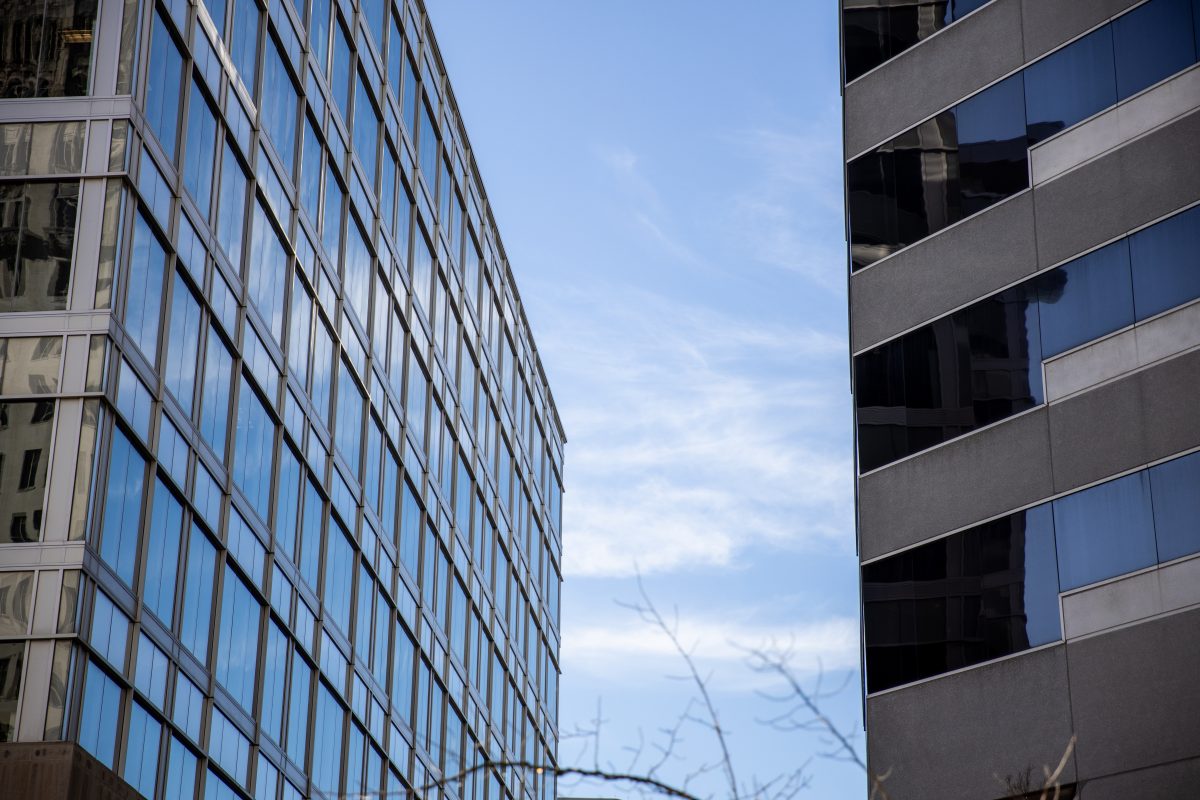
If you own a condo on the upper floors of a West Loop, South Loop, or Streeterville high-rise, you already know the feeling: afternoon sun pouring through floor-to-ceiling glass, the AC running nonstop, and glare so harsh you cannot see your own TV screen. You are not imagining it. Upper-floor Chicago condos face some of the most intense solar exposure of any residential property in the Midwest, and standard double-pane glass alone does very little to stop it.
Solar control window film is the solution most condo owners in these buildings are turning to, and for good reason. It is non-invasive, does not require window replacement, and in many buildings can be installed without any structural permits. This guide covers everything you need to know before calling a contractor, including HOA rules, film options that protect your building’s exterior appearance, and realistic numbers on heat and glare reduction.
Why Upper-Floor Chicago Condos Get So Hot
 Chicago sits at a latitude where the summer sun’s angle is steep, and afternoon exposure on west- and south-facing glass is prolonged. In high-rise buildings, there is no shade from trees or neighboring structures. Glass panels on the 15th floor catch full, unobstructed solar radiation from late morning through early evening.
Modern high-rise construction makes this worse, not better. Curtain wall systems and floor-to-ceiling glazing maximize views but also maximize solar heat gain. The glass used in most Chicago high-rises built between 1990 and 2015 has a Solar Heat Gain Coefficient (SHGC) of 0.25 to 0.45. That means up to 45 percent of the total solar energy enters your unit as heat.
West Loop condos in buildings along Randolph Street, Washington Boulevard, and the Fulton Market corridor face particularly aggressive afternoon exposure. Streeterville units with lake views often feel cooler because of the lake breeze, but east-facing glass can still let in intense morning sun. South Loop high-rises face year-round midday heat from southern exposure.
When that heat enters through the glass, your HVAC system compensates. On a July afternoon in Chicago, an unprotected west-facing condo can see interior temperatures climb 10 to 15 degrees above the thermostat setpoint near the windows, forcing your system to work continuously to compensate. The result is higher utility bills, uneven comfort near the glass, and accelerated wear on your HVAC equipment.
HOA and Building Rules You Need to Know Before Installing
This is the step most condo owners skip, and it is the most important. Installing window film in a Chicago high-rise without building approval can result in forced removal at your expense, fines, or both.
The first thing to understand is that your windows are almost certainly not solely yours to modify. In most Chicago high-rise condo associations, windows are either common elements or limited common elements. Either way, the HOA or condo board retains authority over modifications that affect the building’s exterior appearance.
Most buildings that allow film have one or two requirements. First, the film must maintain a consistent reflectivity and color tone that matches the rest of the building’s glass. A unit with highly reflective silver film next to units with clear glass creates an inconsistent facade, which most HOAs prohibit. Second, some buildings require a licensed contractor to perform the installation and submit documentation to the building manager.
Here is what to do before scheduling any work. Request a copy of your condo association’s rules and regulations, specifically any section covering window modifications or exterior alterations. Then contact the building manager directly to ask whether window film has been previously approved and whether there is a preferred product specification. Many Chicago high-rise buildings, particularly newer ones in the West Loop and Streeterville, have already gone through this process with other residents and have an approved film on file.
If your building does not yet have a policy, your contractor can often assist with drafting a proposal for the board that includes product specs, reflectivity data, and exterior appearance mock-ups. HOA-approved window film installations in Chicago are common enough that most experienced contractors have done this before.
Film Options That Keep Exterior Appearance Consistent
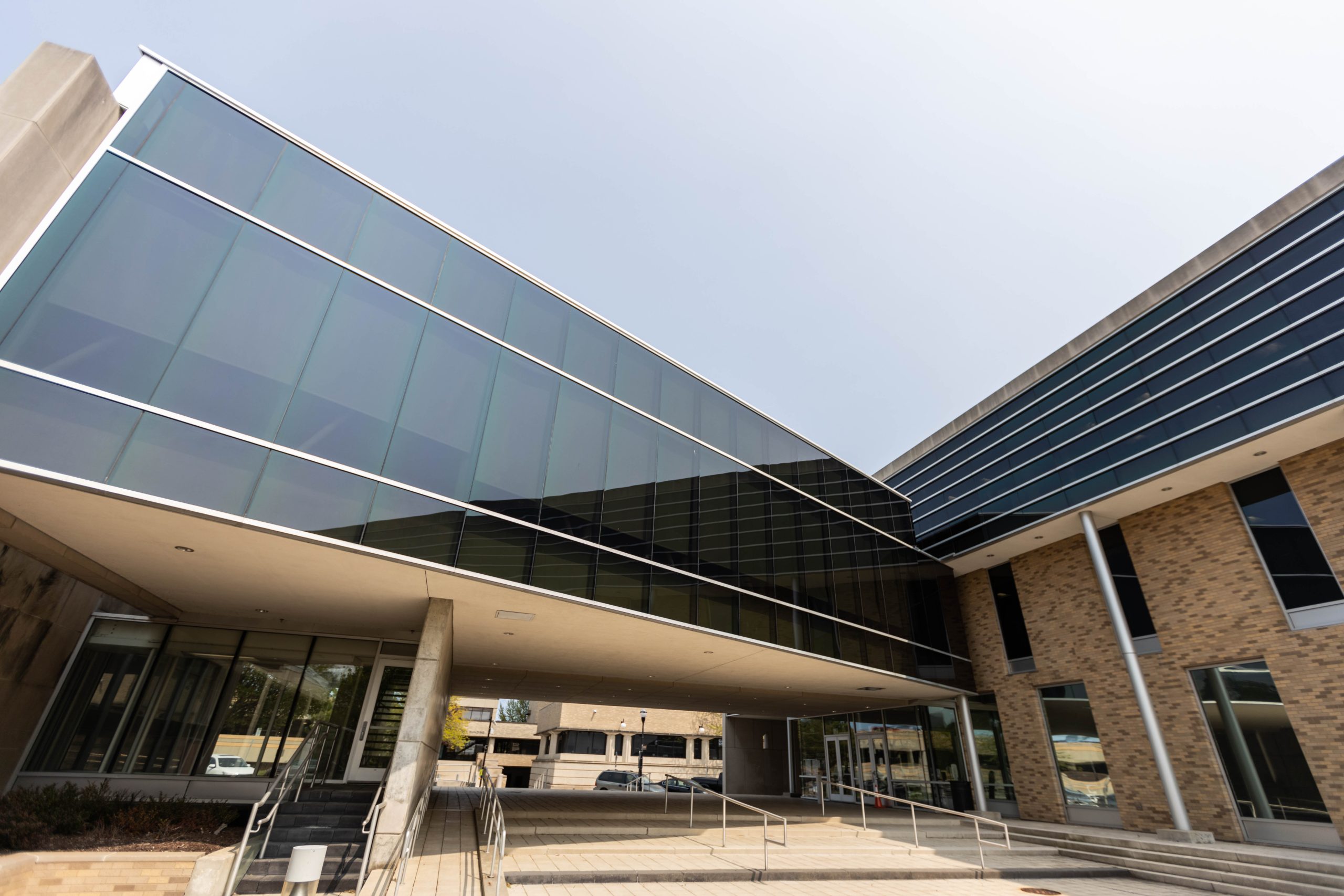 Not all window films are appropriate for high-rise condo applications. The films that work best in Chicago’s architectural context share a few characteristics: neutral color tone, low exterior reflectivity, and compatibility with insulated glass units.
Neutral ceramic films are currently the most popular choice for high-rise condos. These films use ceramic nanoparticle technology to reject heat without the mirror-like appearance of older metallic films. From the outside, a high-quality ceramic film looks nearly identical to low-e glass, so it blends naturally with a building’s existing glazing. Exterior reflectivity typically falls in the 10 to 18 percent range, comparable to or lower than that of the building’s existing glass.
Dual-reflective films are designed specifically for situations where exterior appearance is a concern. These films have lower reflectivity on the exterior face than on the interior face, so the building appears uniform from the street while still providing privacy and controlling glare inside the unit.
Spectrally selective films block infrared and UV radiation while allowing visible light to pass through at high rates. This is useful for condos where the owner wants to preserve the space’s brightness without sacrificing heat control. These films are virtually invisible from both inside and outside.
What to avoid: highly reflective silver or bronze metallic films. These were standard 20 years ago, but are now frequently rejected by HOA boards because they create hot spots of reflected sunlight on neighboring buildings and significantly alter the exterior facade.
To explore the full range of options for your building type, see the top heat-control films available today and review which specifications meet Chicago high-rise requirements.
Expected Heat Rejection and Glare Reduction
Understanding how sun control window film works helps you set accurate expectations before installation.
Modern solar control films reject between 40 and 80 percent of total solar energy, depending on the product. For a west-facing Chicago condo unit, a mid-range ceramic film with a total solar energy rejection (TSER) rating of 55 to 60 percent will typically reduce the surface temperature of your glass by 10 to 15 degrees Fahrenheit on a peak summer afternoon. That translates directly to a cooler zone near the windows and less demand on your HVAC system.
Glare reduction follows a similar range. Quality films reduce visible light transmission to somewhere between 35 and 55 percent, which is enough to eliminate harsh screen glare without making the room feel dark. For condos with views, this is often the most immediately appreciated benefit.
UV rejection is near-universal across quality films. Most products block 99 percent of UV-A and UV-B radiation, which protects flooring, furniture, and artwork from fading. For high-rise condos with hardwood floors and designer furnishings, this alone can justify the installation cost.
Energy savings are real but vary by unit. West-facing condos with full sun tend to see the greatest measurable reduction. Industry estimates for similar climates suggest 5 to 15 percent reductions in cooling costs in affected zones. However, the exact amount depends on your building’s existing glass, HVAC efficiency, and the percentage of your glass that is treated.
Installation in an Occupied Chicago Condo
One of the practical advantages of residential window tinting over window replacement is that installation does not require you to leave your home for days at a time.
A typical high-rise condo installation takes 1 to 2 days, depending on the unit size and the number of windows being treated. The process involves thoroughly cleaning the glass surface, cutting the film to precise dimensions, and applying it with a water-based solution that allows repositioning before the film sets. Once applied, the film cures over several days. During curing, some slight haze or small water bubbles may be visible, but these disappear as the adhesive fully bonds to the glass.
For building access, your contractor will typically need to coordinate with the building management office to schedule freight elevator use and obtain a certificate of insurance. Most experienced Chicago contractors handle this as a standard part of the process. Building management in West Loop and South Loop high-rises is generally familiar with window film installations and the coordination required.
Furniture and window treatments do not need to be removed in most cases. The contractor works from inside the unit and accesses each window directly. For very large glass panels or panoramic units, the contractor may request a narrow clearance zone in front of the windows to maneuver film rolls and tools.
After installation, your contractor should provide documentation for the installed product, including the manufacturer’s name, film series, and SHGC or TSER ratings. Keep this documentation. If your HOA ever requests verification that the installed film meets building specifications, having the product data sheet on hand resolves the question immediately.
Frequently Asked Questions
Do most Chicago condo HOAs allow window film?
Many do, but approval is not automatic. The key variable is whether the film maintains consistency with the rest of the building’s exterior appearance. Films with neutral tones and low reflectivity are approved far more often than older metallic products. Buildings that have approved film before are generally easier to work with. If your building has no existing policy, your installer can help prepare a proposal for the board that includes product specifications and documentation of exterior appearance.
Will solar film change how my condo looks from outside the building?
It depends on the product. Ceramic and spectrally selective films are designed to be nearly invisible from the exterior and closely match the appearance of standard or low-e glass. Highly reflective metallic films will noticeably change the appearance. For high-rise installations in Chicago that require HOA approval, the right choice is almost always a neutral, low-reflectivity product.
Can solar film be applied to existing dual-pane condo windows?
Yes, with the right product. Most Chicago high-rise condos have dual-pane or insulated glass units (IGUs), and solar film can be applied to the interior surface of the interior pane without voiding the window seal or damaging the unit. The one caveat is that highly absorptive films can cause thermal stress in certain IGU configurations. A reputable contractor will review the glass specifications before recommending a product and confirm compatibility to avoid any risk of seal failure or glass breakage.
How much will it reduce my AC costs on a west-facing condo?
A west-facing condo with significant afternoon exposure is the scenario where solar film delivers the most measurable energy savings. Cooling cost reductions of 10 to 20 percent for the affected zone are realistic for a quality film with a TSER rating of 55 percent or higher. The actual dollar savings depend on your unit’s total square footage, the percentage of glass coverage, your current HVAC efficiency, and your utility rate. Your installer can provide a more specific estimate based on your unit’s orientation and glass area.
MGT Glass Solutions serves Chicago and the surrounding suburbs, specializing in solar control and residential window film for high-rise condos, single-family homes, and commercial properties. Contact us to schedule a consultation for your West Loop, South Loop, or Streeterville unit.