

When it comes to privacy and security, one-way mirrors are a popular choice. You’ve probably seen them in interrogation rooms on TV, in offices, or even in smart home designs. But when you want that mirror effect, should you choose one-way mirror film or one-way mirror glass?
In this post, we’ll break down the differences, pros, cons, and best uses of each option. By the end, you’ll know which one suits your needs best.
What Is a One-Way Mirror Film?
One-way mirror film is a thin, special layer you can stick on windows or glass surfaces. It allows people on one side to see clearly while displaying a mirror reflection on the other side.
This film works by reflecting light on the brighter side and letting light pass through on the darker side. As a result, it creates privacy without obstructing your view.
People use one-way mirror film in homes, offices, and shops to maintain privacy while still allowing in natural light to enter. It’s easy to install and remove, making it a flexible option for many situations.
What Is One-Way Mirror Glass?
One-way mirror glass is a special type of glass that works like a mirror on one side and a clear window on the other. It allows people to see through the darker side while reflecting on the brighter side like a mirror.
This glass features a thin, reflective coating that is built right into it, giving it a clean and polished appearance. Unlike film, one-way mirror glass is a permanent fixture that replaces your existing window or glass panel.
People use one-way mirror glass in places that need strong privacy and durability, like security rooms, luxury homes, or modern offices.
Key Factors to Compare
1. Cost
- One-way film costs less upfront and is easy to install yourself, making it budget-friendly.
- One-way glass is more expensive and often needs professional installation.
2. Installation
- Film is simple to apply and easy to remove or replace if needed.
- Glass requires replacing your current window, which makes it a more permanent change.
3. Aesthetic & Clarity
- Film may have a slight tint or reflect light, depending on the time of day and lighting.
- Glass has a clean, modern look and offers better clarity and fewer visual distortions.
4. Privacy Effectiveness
- Both options work best when the inside is darker than the outside.
- With the proper lighting, film, and glass, you can provide similar levels of privacy.
5. Durability & Maintenance
- Film can scratch, fade, or peel over time and may need to be replaced after a few years.
- Glass is more durable and lasts longer, but is harder and more costly to replace if damaged.
6. Flexibility & Reversibility
- Film is removable and perfect for renters or short-term use.
- Glass is a long-term choice that works best for homeowners or permanent setups.
Ideal Use Cases for Each
One-Way Mirror Film Is Best For:
- Temporary or budget-conscious projects
- Renters or small business offices
- DIY home improvements
- Spaces where aesthetics aren’t critical
One-Way Mirror Glass Is Best For:
- High-security installations
- Permanent solutions
- Modern architecture or luxury designs
- Facilities needing high durability
Lighting Considerations (Important!)
Lighting plays a significant role in determining how effectively the one-way mirror effect works. To keep your privacy, you need to control the light on both sides of the glass or film.
How It Works:
The one-way mirror effect happens when one side is much brighter than the other. Usually, this means it should be brighter outside and dimmer inside. This way, people on the brighter side see a mirror, while people on the darker side can see through.
Tips to Get the Best Effect:
- Keep indoor lights low during the day, especially near the window.
- Use curtains or blinds at night if indoor lights are on—otherwise, people outside may see in.
- Add outdoor lighting if you want to keep the mirror effect after sunset.
Example:
If sunlight is shining outside and your room is softly lit, the film or glass will reflect like a mirror from the outside, giving you privacy inside.
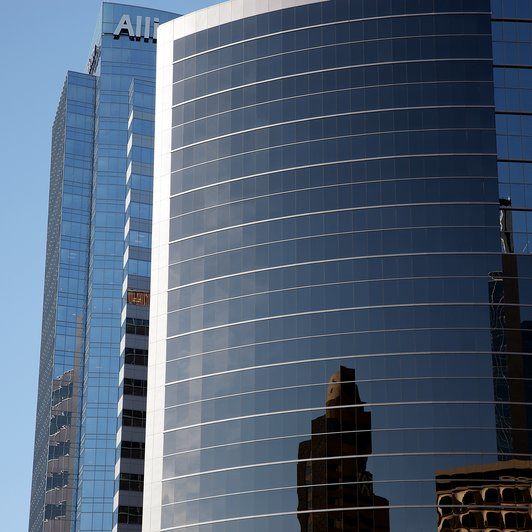
Final Verdict: Which Should You Choose?
Both one-way mirror film and glass have their strengths and weaknesses.
Film is affordable, easy to install, and great if you want something flexible or temporary. It works well for renters, small projects, or when you need to change things later. However, film can wear out over time and may not look as clear.
Glass looks sleek and lasts much longer. It fits well with modern designs and offers better durability. But it costs more and requires professional installation, making it a more permanent choice.
Your decision depends on your budget, how long you want the solution to last, and where you plan to use it.
In short:
- Choose film if you want flexibility and a lower cost.
- Choose glass if you want durability and a high-end look.
Trust MGT Window Solutions
If you’re ready to improve your privacy and security with one-way mirror film, MGT Window Solutions is here to help. With years of experience in window films, we offer expert advice, professional installation, and top-quality materials tailored to your needs.
Contact us today to get a free consultation and take the first step toward a smarter, more private space.
Frequently Asked Questions
Can you see through a one-way mirror film at night?
At night, if the inside is brighter than the outside, people outside can see in through the film. To keep privacy, use curtains or lower indoor lights when it’s dark outside.
Can one-way film be removed?
Yes, one-way mirror film is removable. You can peel it off if you want to replace it or move it, making it a good choice for renters or temporary use.
Does one-way glass work in all lighting conditions?
One-way glass works best when the outside is brighter than the inside. If the lighting changes, the mirror effect may weaken; therefore, controlling lighting is important for maintaining privacy.
Is mirror film energy-efficient?
Yes, mirror film can help reduce heat and block UV rays, which can lower cooling costs and protect your furniture from sun damage, making it energy-efficient.