
Milwaukee businesses considering commercial window tinting usually face one of three real, everyday problems: glare that makes screens hard to read in a glass-heavy office, UV exposure that fades merchandise or furnishings, or a lack of privacy in offices and conference rooms facing a busy street or shared corridor. Window film can genuinely address all three, though which film matters most depends on the specific building and business.
Milwaukee’s commercial buildings range widely, from downtown office towers with floor-to-ceiling glass to retail storefronts along major commercial corridors to medical offices needing patient privacy. Each setting has a different mix of priorities. Here’s why Milwaukee businesses turn to window film, which film types address which specific problem, and how the right choice varies by building type across the city.
Key Takeaways
- Glare, UV exposure, and privacy are three separate, common problems in Milwaukee commercial buildings, and no single film addresses all three equally well.
- Glare-reduction film specifically improves screen visibility and comfort in glass-heavy offices, a common issue in downtown Milwaukee buildings with large window walls.
- UV exposure fades merchandise, furniture, and flooring year-round, not just during Milwaukee’s sunniest months.
- Privacy needs vary by business type, from conference rooms needing visual privacy to healthcare offices with patient confidentiality considerations.
- Matching the film type to the specific building and priority yields better results than applying a single general film to every window.
Why Milwaukee Businesses Need Window Film
Glare is one of the most immediate, day-to-day problems in glass-heavy commercial spaces. Office workers dealing with sun glare on monitors all day face real friction in getting work done, especially in downtown Milwaukee buildings with large window walls that offer little natural obstruction to direct sun at certain times of day. This isn’t just a comfort issue. Persistent glare affects how comfortably and efficiently people can use a workspace. It tends to recur at the same time each day, depending on a building’s orientation, rather than being an occasional nuisance.
UV exposure creates a slower, less visible but equally real problem. Untreated glass lets a meaningful amount of UV radiation through year-round, contributing to fading on retail merchandise, office furniture, and flooring over time. A storefront display or a reception area that looks fine today can show noticeable fading within a few years of consistent sun exposure if the glass isn’t treated. This is particularly relevant for retail businesses that regularly rotate window displays, since fading damage accumulates even when individual items aren’t left in place for long stretches.
Privacy needs in Milwaukee’s commercial spaces vary significantly by business type. A downtown law firm or financial office may need visual privacy for conference rooms facing a shared hallway or an adjacent building. A medical or professional office often has patient or client confidentiality considerations tied directly to what’s visible through glass partitions or exterior windows facing a parking lot or street. Retail and hospitality businesses face a different version of this problem, sometimes wanting to maintain an open storefront feel during business hours while adding privacy for back-office or staff areas visible through the same glass.
Film Options: Glare Reduction, UV Protection, and Privacy/Decorative
 Solar and Glare Control Film
Solar control film is the primary tool for reducing glare in office and retail settings, cutting the intensity of direct sunlight through glass without requiring blinds to stay closed all day. This keeps a space feeling open and naturally lit while cutting the specific glare that makes screens hard to read.
UV Protection Film
UV protection film directly addresses the risk of fading by blocking a significant portion of UV radiation before it reaches merchandise, furniture, or flooring. 3M publishes UV rejection performance data for its commercial film products, which is the kind of documented specification worth reviewing when comparing options for a retail or office UV-protection project.
Privacy and One-Way Film
Privacy-focused film addresses the third priority directly. One-way window film is a common choice for Milwaukee offices seeking visual privacy from hallway or exterior views during business hours while maintaining a clear view from inside. Frosted or decorative film is another option, particularly for conference rooms or healthcare settings where full obstruction, rather than a one-directional effect, is the priority.
Best Applications by Milwaukee Commercial Building Type
Downtown Office Towers
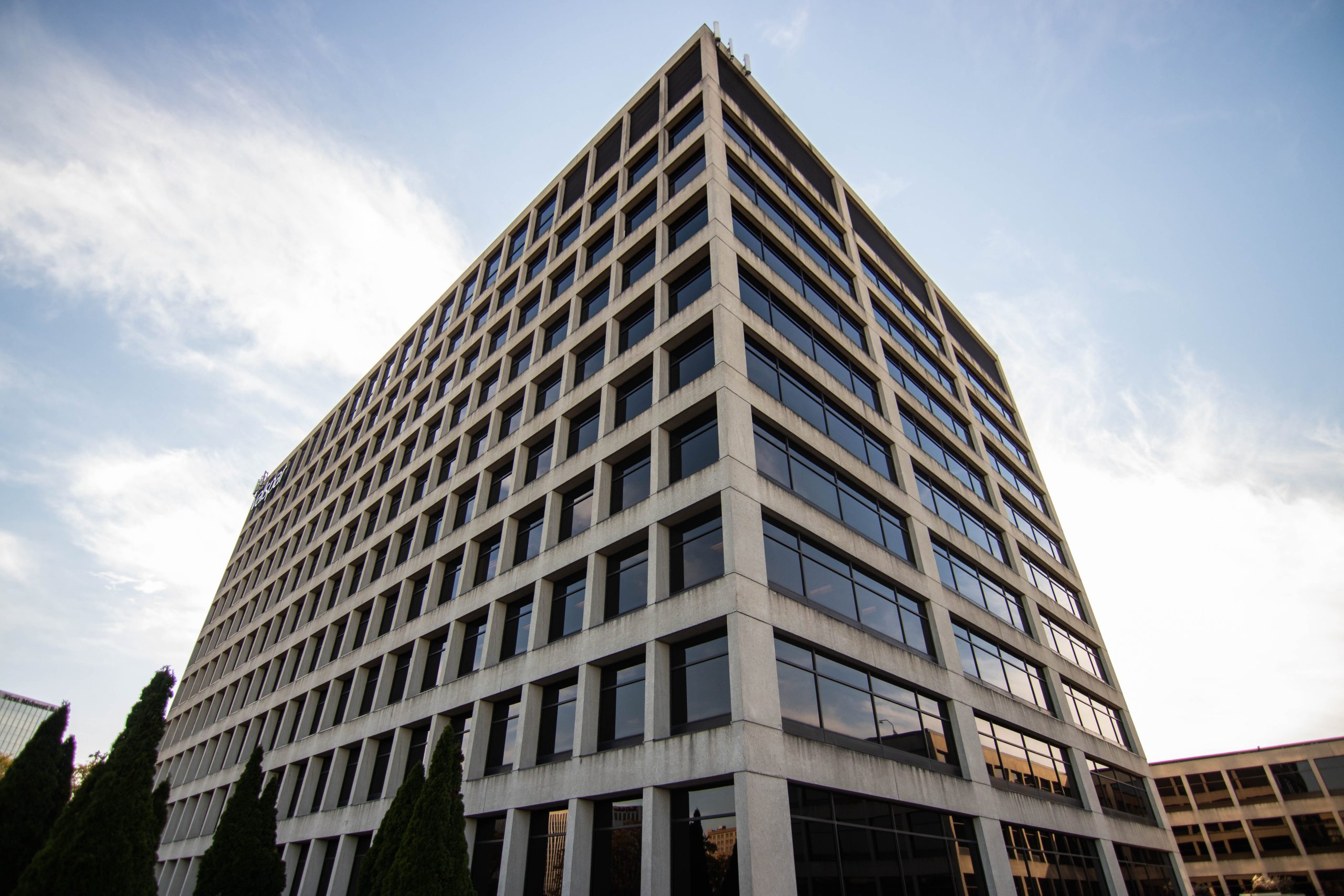
Downtown Milwaukee office towers often experience significant glare on upper floors because of expansive window walls and limited exterior shading. Solar and glare-control film is the primary priority here, sometimes paired with privacy film for specific conference rooms or executive offices.
Retail Storefronts
Retail storefronts along Milwaukee’s commercial corridors risk UV-related fading of displayed merchandise, particularly in stores with large street-facing windows and consistent daytime sun exposure. UV protection film addresses this directly without requiring stores to remove merchandise from window displays.
Medical and Professional Offices
Medical and professional offices often prioritize privacy, particularly in waiting areas, exam rooms, and consultation spaces with sightlines to corridors or exterior views. Frosted or one-way privacy film addresses this while still maintaining natural light.
Restaurants and Hospitality Spaces
Restaurants and hospitality businesses in Milwaukee frequently deal with both glare that affects dining comfort during peak sun hours and the desire to maintain an open, glass-forward storefront aesthetic. Solar control film addresses glare concerns without requiring blinds or curtains that would close off the space’s visual connection to the street, which matters for businesses that rely on street visibility to attract foot traffic.
Focus on Productivity and Comfort for Milwaukee Workplaces
 Glare reduction is directly connected to daily office productivity, since employees working near glare-affected windows often experience real friction when reading screens or working comfortably at certain times of day. This is especially relevant in open office layouts, where a handful of glare-affected desks can lead to recurring complaints and workarounds, such as closing blinds, which then block natural light for everyone nearby rather than solving the problem for just the affected workstations.
Our related coverage of how anti-glare film boosts productivity in Milwaukee offices examines this connection in greater depth. Addressing glare isn’t just a comfort upgrade. For many Milwaukee offices, it’s a practical fix for a problem employees face every working day, and one that often gets deprioritized simply because it’s treated as a minor annoyance rather than a real workplace comfort issue worth addressing directly.
Conclusion
Milwaukee commercial window tinting addresses three distinct, common problems: glare that affects daily comfort and productivity, UV exposure that fades merchandise and furnishings over time, and privacy needs that vary by business type and space. The right film choice depends on your specific building and priority. A downtown office tower dealing with afternoon glare has different needs than a retail storefront worried about UV fading or a medical office prioritizing patient privacy. Matching the film to the actual problem, rather than assuming one product solves everything, delivers a solution that works for your specific space and the people who use it every day.
Frequently Asked Questions
Does glare reduction film make an office feel darker overall?
Quality solar control film reduces glare and heat while maintaining a reasonable level of natural light, so most offices stay comfortably bright rather than feeling noticeably darker.
How much does UV exposure really affect merchandise in a retail storefront?
UV exposure contributes to visible fading over time, and the effect is often more noticeable after a few years of consistent daily sun exposure than most retailers expect before treating their windows.
Is one-way film enough privacy for a conference room, or should we use frosted film instead?
It depends on the specific need. One-way film works well for daytime privacy while maintaining an inside view, while frosted film provides more consistent privacy in both directions regardless of lighting conditions.
Can the same film address glare and UV at the same time?
Many solar control films address both to some degree. However, it’s worth checking the specific product’s rated performance for each factor if one priority matters significantly more than the other for your space.
Do medical offices have specific film requirements beyond general privacy?
Requirements can vary by facility and use case, so it’s worth discussing your specific confidentiality and layout needs directly rather than assuming a general privacy film automatically meets every requirement.
Will window film help with glare on video calls, not just screens?
Yes, reducing glare and reflections on the glass itself can improve video call quality in a conference room or office and make in-person screen use more comfortable.
How long does commercial window film typically last in a Milwaukee climate?
Quality film is designed for long-term durability through seasonal temperature swings, though exact lifespan varies by product and by sun exposure at each location.
Should we treat every window in our building, or focus on specific problem areas first?
Prioritizing the windows with the most noticeable glare, UV exposure, or privacy concerns first is a reasonable approach if a full-building project isn’t happening all at once.
Does privacy film affect how our storefront looks from the street?
It depends on the specific product. One-way film maintains a relatively normal exterior appearance during the day, while frosted or heavily patterned film changes the glass’s appearance more noticeably from the outside.
Can window film help with energy costs in addition to controlling glare and UV?
Many solar control films that address glare also reduce solar heat gain, which can lower cooling costs. However, in this use case, the primary focus is comfort and fading protection rather than energy savings alone.
Request a Milwaukee Site Assessment
Every Milwaukee business has a different mix of glare, UV, and privacy priorities depending on the building and how the space is used.
Contact MGT to schedule a site assessment and get a film recommendation suited to your specific space.