
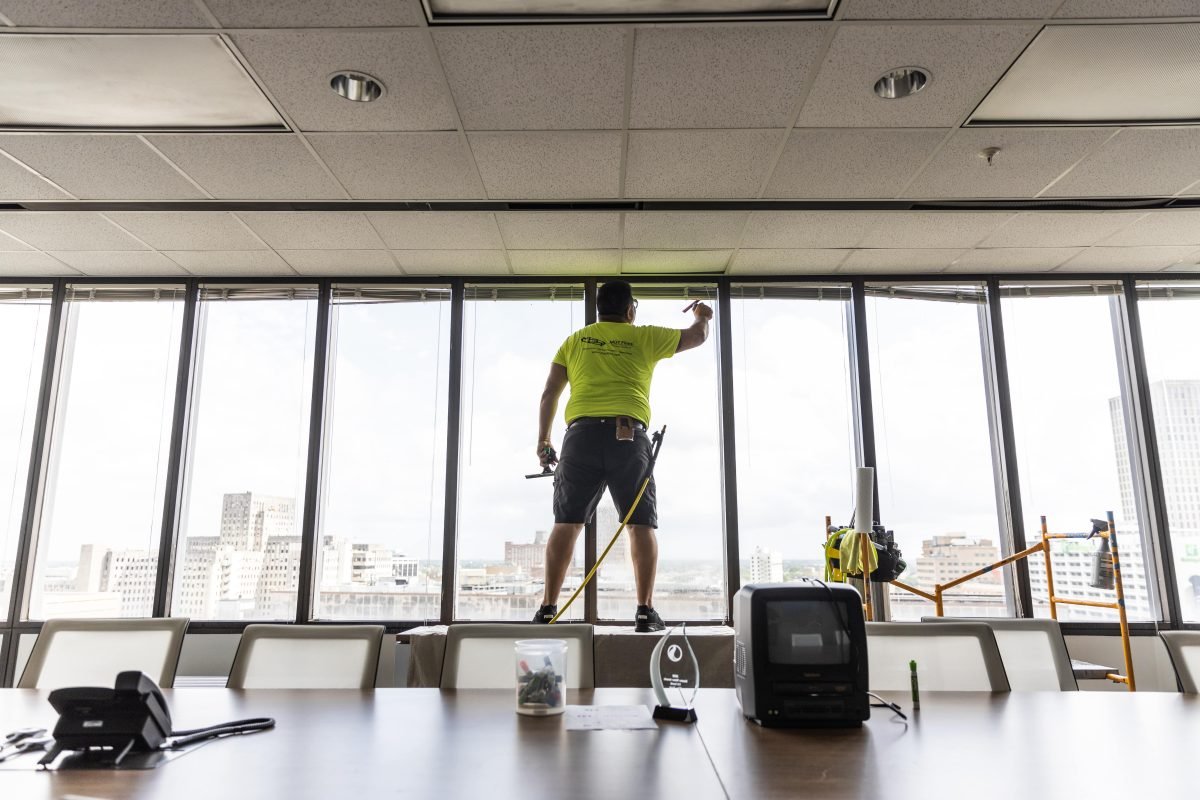
When it comes to making your home more energy-efficient, you have a lot of options. Two common choices are insulation window films and traditional insulation. Each one has its pros and cons, and the best choice often depends on your goals, budget, and the type of home you’re looking for. In this guide, we’ll break down both options so you can make the best decision for your comfort —and your wallet.
Table of Contents
ToggleWhat Are Insulation Window Films?
Insulation window films are thin, clear sheets that you apply directly to your windows. They help control heat and block UV rays. Some films also reduce glare and increase privacy.
Materials Used
Most insulation films are made from polyester, a strong and flexible plastic. These films may also have special coatings, such as metallic layers or ceramic particles. These added layers help the film reflect heat and block harmful rays from the sun.
How They Work:
Insulation window films work in a few smart ways:
- Reflective coatings bounce sunlight away from your windows. This helps keep indoor spaces cooler during hot months by reducing the heat from the sun.
- UV blocking layers stop up to 99% of harmful ultraviolet (UV) rays. This protects your furniture, flooring, and skin from sun damage.
- Thermal insulation helps maintain more stable indoor temperatures. In summer, the film keeps the heat out. In winter, it helps keep warm air inside.
By reducing heat gain and loss, these films make your space more energy-efficient and comfortable throughout the year.
What Is Traditional Insulation?
Traditional insulation is material placed inside walls, ceilings, and floors to help control the temperature in a building. It slows down the movement of heat, keeping your space warm in winter and cool in summer.
Common Materials
There are several types of traditional insulation, each made from different materials:
- Fiberglass: Made from tiny glass fibers, it’s one of the most common and affordable options.
- Cellulose: Made from recycled paper treated with fire-resistant chemicals.
- Foam board: Rigid panels made from plastic foam, great for walls and roofs.
- Spray foam: A liquid that expands into a solid, filling gaps and sealing air leaks.
Areas of Application
You’ll often find traditional insulation in these areas:
- Walls (both inside and outside)
- Attics
- Basements and crawl spaces
- Ceilings and floors
These are the parts of a building where heat often escapes or enters, so adding insulation there helps keep indoor temperatures steady.
How Traditional Insulation Controls Heat Flow
Traditional insulation works by trapping air within its material. This slows down how quickly heat moves through your walls, ceilings, and floors. In winter, it keeps warm air from escaping. In the summer, it helps block outside heat from entering. As a result, your heating and cooling systems don’t have to work as hard, which can lower your energy bills.
Traditional insulation plays a big role in making homes and buildings more energy-efficient and comfortable year-round.
Comparing the Two Options
When choosing between insulation window films and traditional insulation, it’s important to look at how they differ in key areas. Here’s a side-by-side breakdown to help you decide what’s best for your space.
1. Installation Process
- Window films are quick and easy to install. Many people choose to do it themselves, especially for small areas. For large windows or better results, a professional can apply the film neatly and efficiently.
- Traditional insulation often requires more time and effort. It usually involves opening walls, ceilings, or floors, which can be messy. As a result, most people hire professionals to install it.
2. Cost and ROI
- Upfront cost: Window films are usually cheaper to buy and install, especially if you do it yourself. Traditional insulation can cost more because it takes more materials and labor.
- Energy savings: Both options help lower energy bills, but in different ways. Window films are great for reducing heat from sunlight. Traditional insulation does a better job of stopping heat loss through walls and ceilings.
- Return on investment (ROI): Over time, both can pay for themselves through energy savings. Traditional insulation may offer a higher ROI in very hot or cold climates, while window films give quicker returns in sunny areas.
3. Performance and Efficiency
- Different climates: Window films work well in warmer areas where blocking sunlight is most important. Traditional insulation is most effective in areas with cold winters or significant temperature fluctuations.
- Seasonal energy efficiency: Window films mainly help in summer by keeping heat out. Some types also help reduce heat loss in winter. Traditional insulation works well year-round, keeping heat in during winter and out in summer.
- R-values and insulation ratings: Traditional insulation is rated by its R-value, which measures its ability to resist heat flow. Higher R-values mean better insulation. Window films don’t have R-values, but many still offer strong thermal and UV protection.
4. Durability and Maintenance
- Window films can last 10–20 years, depending on the type and exposure to sunlight. Over time, they may fade or peel, especially if not installed correctly.
- Traditional insulation can last anywhere from 20 to 100 years, depending on the material. It usually doesn’t need much maintenance unless it gets wet or damaged.
5. Aesthetic and Space Considerations
- Window films change the look of your windows slightly. Some are clear, while others have a tinted or mirrored appearance. Most people find the change minor and acceptable.
- Traditional insulation takes up space inside walls or ceilings. In older homes with limited space, adding more insulation can be tricky and might require remodeling.
By understanding these differences, you can choose the best option for your budget, climate, and comfort needs. Some homes even benefit from using both window films for added sun protection and traditional insulation for long-term temperature control.
When to Choose Window Films
Window films are a smart choice in many situations, particularly when you need a quick and affordable way to enhance comfort and reduce energy costs.
Ideal Scenarios
- Hot climates: If you live in a warm or sunny area, window films help block heat and glare from the sun. They keep your rooms cooler and reduce the load on your air conditioner.
- Homes with lots of glass: Large windows or glass doors let in a lot of sunlight and heat. Window films can reduce this heat while still letting in natural light.
- Renters: If you rent your home or apartment, window films are a great temporary option. Many are easy to remove and don’t damage the glass, so they won’t affect your lease.
Quick Energy Fixes or Retrofitting
Window films are perfect if you want a quick energy-saving upgrade without major construction. They’re simple to install and start working right away. If your home is older and already insulated, window films can add extra protection, especially in areas where traditional insulation can’t go, like windows.
Window films are an easy way to boost comfort, cut glare, protect your furniture, and lower energy costs—especially when you need fast results or can’t make big changes to your space.
When to Choose Traditional Insulation
Traditional insulation is the best choice when you need long-term, whole-home energy savings. It’s especially useful during construction or major home upgrades.
Best for New Construction or Major Renovations
If you’re building a new home or remodeling, it’s the perfect time to install traditional insulation. You can easily add it to walls, ceilings, and floors before they’re closed up. This helps lock in comfort and reduce energy costs from the start.
High Energy Loss Through Attic or Walls
If your energy bills are high and your attic or walls feel drafty or too hot, you’re probably losing a lot of heat. Traditional insulation works well in these areas because it stops air leaks and slows heat transfer. Over time, this can make a big difference in how your home feels and how much you spend on heating and cooling.
Can You Use Both?
Yes, and in many homes, using both window films and traditional insulation gives the best results. Each one performs a different function, and together they can significantly enhance your home’s energy efficiency.
Combining Both Methods for Maximum Efficiency
You can install traditional insulation in your attic and walls to control overall heat flow. Then, add window films to your glass surfaces to block the sun’s heat, UV rays, and glare. This layered approach covers more areas of your home and boosts comfort.
Layering Strategies
- Use window films to treat glass windows and doors. They help reflect heat and reduce UV exposure without changing your view too much.
- Use traditional insulation in attics, walls, crawl spaces, and ceilings to trap heat and prevent drafts.
By combining both, you reduce energy loss from multiple sources and create a more comfortable, cost-effective living space all year long.
Expert Tips for Homeowners
Before making changes to improve your home’s energy efficiency, it helps to plan wisely. Here are some expert tips to get the best results and save money along the way.
- Get an Energy Audit First
Start with a home energy audit. A professional will check where your home loses energy, like drafty windows, poor insulation, or air leaks. This helps you know exactly what upgrades will make the most significant difference. - Evaluate Your Climate Zone
Think about the weather in your area. If you live in a hot, sunny climate, window films can help block heat and glare. If you’re in a cold region, traditional insulation in the attic and walls can help keep warmth inside. Knowing your climate enables you to choose the right solution. - Check for Rebates and Energy Incentives
Many local governments and utility companies offer rebates or tax credits for energy upgrades. These can lower the cost of window films, insulation, and even energy audits. Always check for programs in your area before starting a project. - Work with Certified Installers
Whether you choose window films or traditional insulation, it pays to hire certified professionals. Trained installers know how to do the job right and can help you qualify for warranties or rebates. Quality work also means better performance and longer-lasting results.
Final Thoughts
Both insulation window films and traditional insulation can improve your home’s comfort and efficiency. If you’re on a budget or want a simple DIY project, window film is a great place to start. But for deeper savings and comfort, traditional insulation is worth the investment.
Think about your home’s needs, climate, and budget, and don’t be afraid to mix both methods. With the right choices, you’ll stay cozy in winter, cool in summer, and save money all year long.
Need Professional Help with Insulation Window Films?
If you’re ready to improve your home’s energy efficiency with high-quality insulation window films, MGT Window Solutions is here to help. With years of experience and expert installers, MGT Window Solutions provides top-notch window film installation that fits your home’s needs and budget.
We offer a wide range of energy-saving films designed to reduce heat, block harmful UV rays, and increase your comfort—all while enhancing the look of your windows. Plus, our professional installation ensures a perfect, bubble-free finish that lasts for years.
Contact MGT Window Solutions today to schedule a free consultation and discover how window films can transform your home’s comfort and energy savings.