
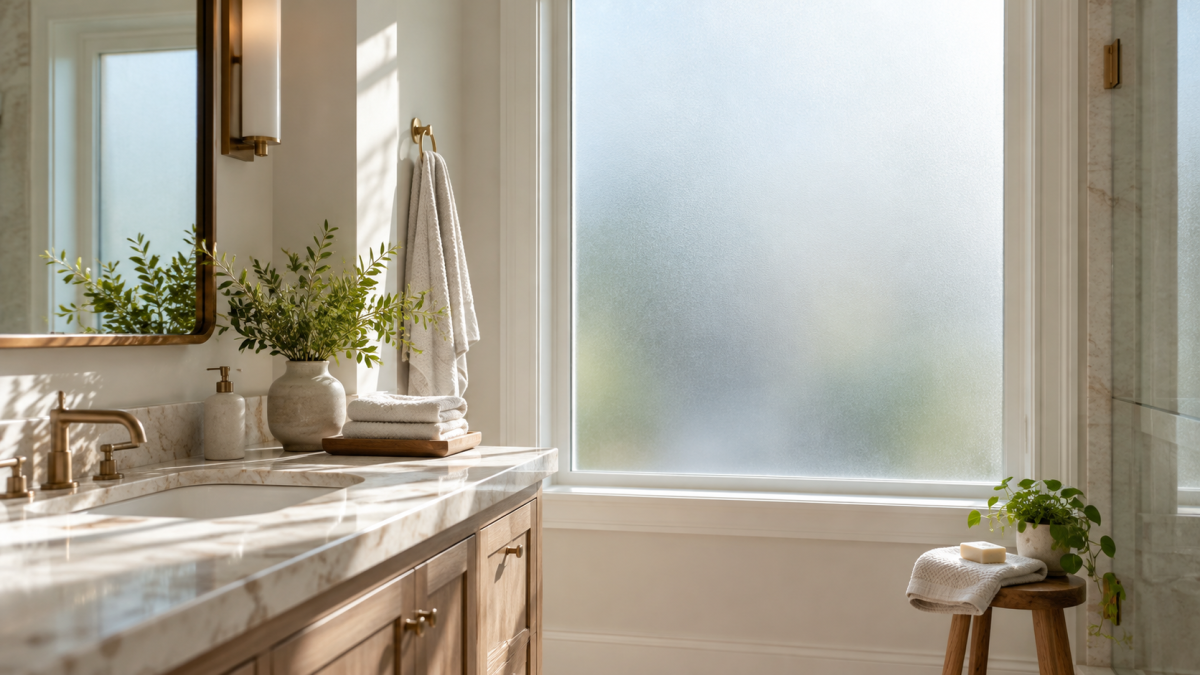
Privacy film is generally safe for most windows, but whether it can damage windows is more nuanced than a simple yes-or-no answer. There’s a real, well-documented risk involving privacy film and certain insulated glass units, one a qualified assessment can identify and address before installation, not something to dismiss or panic over.
It is worth understanding clearly, rather than getting either blanket reassurance or an unnecessarily alarming answer. Below is the mechanism behind this risk, which windows are most likely to be affected, and how a proper installation minimizes the concern.
Key Takeaways
- Privacy film is generally safe for most windows when properly selected and professionally installed, but certain insulated glass units carry a real, specific risk.
- The core concern is thermal stress: darker or more reflective film can increase how much heat a window absorbs, which can strain an insulated glass unit’s seal.
- Older windows, units with existing seal weaknesses, or certain single-pane glass are more likely to be affected than newer, well-sealed windows.
- A qualified installer assesses your specific glass before recommending a film, the main way this risk is managed in practice.
- Checking your window manufacturer’s warranty terms before installing film is a reasonable precaution, since terms vary significantly by manufacturer.
The Short Answer
Privacy film is generally safe for most windows. Still, there’s a real, documented risk of added thermal stress on certain insulated glass units, which can, in some cases, contribute to seal failure.
This risk is manageable and relatively uncommon when a qualified installer assesses your specific windows and selects an appropriate film, rather than something that happens with most properly planned installations.
The Real Risk: Thermal Stress and Seal Failure
Insulated glass units, the double- or triple-pane windows common in most modern homes and buildings, rely on a sealed, air- or gas-filled space between panes for insulation. Darker or more reflective films absorb more solar energy than untreated glass, raising the glass temperature when exposed to direct sun.
On some units, particularly those with an older seal or existing stress, this added heat absorption can further degrade the seal over time. This isn’t universal, and most installations don’t result in seal failure. Still, it’s a genuine, physically explainable risk rather than an urban myth or an exaggerated marketing concern from a competing product category.
The mechanism itself comes down to differential expansion. As glass heats up, it expands slightly, and the seal holding an insulated unit together has to accommodate that expansion and contraction as temperatures shift throughout the day. A seal nearing the end of its expected service life has less tolerance for this repeated stress, which is why age and condition matter as much as the film itself in determining actual risk. A brand-new, well-manufactured seal generally has significant built-in tolerance, so this risk concentrates on older or already-compromised units rather than being evenly distributed across all insulated glass.
Which Windows Are More at Risk
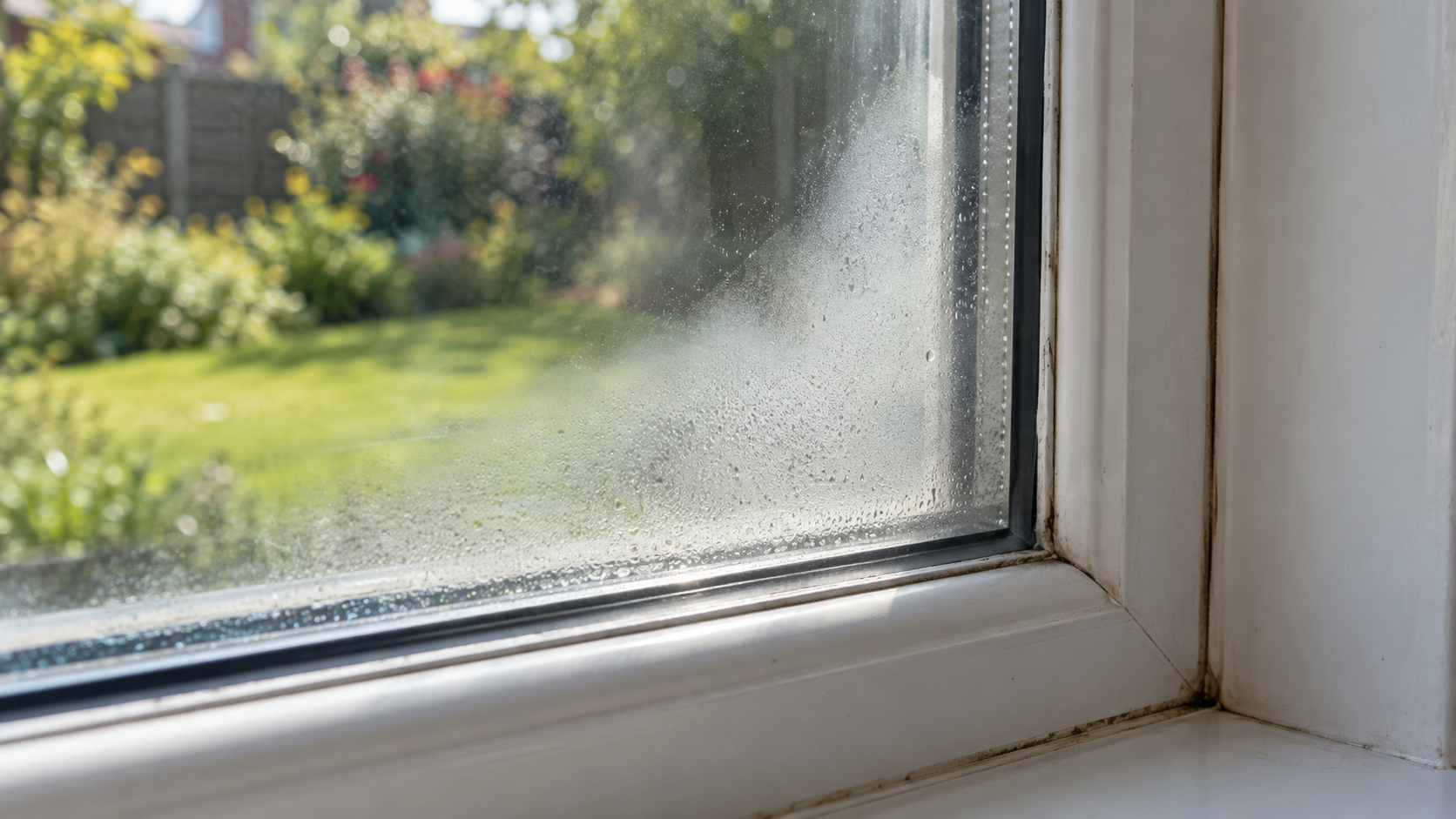 Older insulated glass units, particularly those approaching or past their expected seal lifespan, carry more risk than newer units with intact, well-maintained seals. Windows that already show signs of seal issues, such as visible condensation between the panes, are already compromised and shouldn’t have dark or reflective film applied without a professional assessment first.
Single-pane glass, while not subject to the same seal-failure risk because it lacks an insulated air gap, can still be more prone to thermal-stress cracking, especially when very dark film is applied to older or already-stressed glass. In both cases, the underlying issue is the same: added heat absorption interacting with glass or a seal that already has reduced tolerance for additional stress.
How Reputable Installers Minimize This Risk
A qualified installer should first assess the specific windows involved, their age, current condition, and any visible signs of existing seal or glass stress before recommending a specific film. IWFA guidance reflects the broader industry standard of matching a film’s visible light transmission and heat-absorption characteristics to a given glass type’s actual tolerance, rather than applying the same product uniformly regardless of the window’s condition.
For older or more sensitive glass, this often means recommending a lighter film with lower heat absorption rather than the darkest, most reflective option available, even if that wasn’t the customer’s original preference. This assessment-driven approach is the primary way professionals manage this risk in practice, rather than assuming it doesn’t apply to a specific project.
What a Professional Glass Assessment Actually Involves
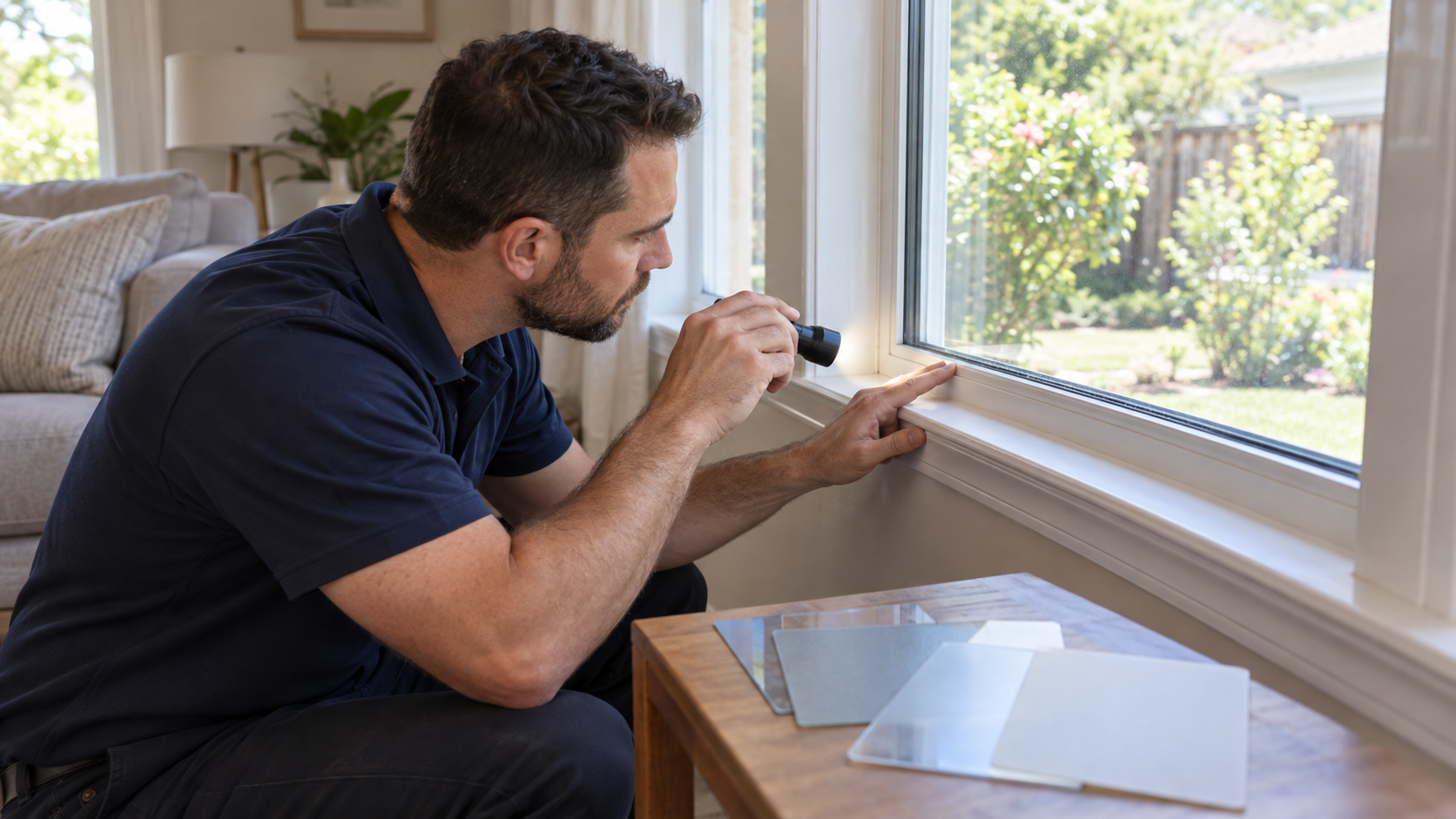 A proper assessment typically starts by checking your windows’ age, often from original installation records or the manufacturer’s date stamp etched into the glass. An installer will look for signs of seal issues, such as fogging or condensation between panes, and check for visible glass damage, like chips or cracks, that could become stress points.
They should also consider your specific climate and sun exposure, since a west-facing window in a consistently hot climate faces different conditions than a north-facing window in a milder region. This assessment takes only a few minutes per window but provides the information needed to recommend a film that fits your specific glass rather than a generic, one-size-fits-all product.
Checking Your Window Manufacturer’s Warranty Terms
Some window manufacturers’ warranties include specific language about film application, sometimes requiring manufacturer-approved film types to maintain coverage and, in rarer cases, excluding coverage altogether if you apply any film. This varies significantly by manufacturer and even by product line, so check your original window documentation or contact the manufacturer before installing film, especially for newer windows still under warranty. This is a separate consideration from the physical thermal stress risk itself, but it’s worth addressing at the same stage of planning, since both affect the same underlying decision.
When Privacy Film Is Genuinely Low-Risk
For newer windows with intact seals and no visible signs of existing stress, properly selected and professionally installed privacy film carries low risk of causing damage. This applies to most residential and commercial window film installations, so while the risk is real, it shouldn’t discourage most people from
considering film for their specific situation. A professional glass assessment and the right film product address most legitimate concerns.
Comparison Table
| Window Condition | Risk Level | What to Do |
| Newer window, intact seal, no visible issues | Low | Standard professional assessment and film selection |
| Older window, seal nearing end of expected lifespan | Moderate | Professional assessment strongly recommended before choosing film |
| Visible condensation between panes (existing seal issue) | Elevated | Address the existing seal issue before considering film |
| Single-pane glass with very dark film under intense sun exposure | Moderate | Consider a lighter film option and professional guidance |
Conclusion
Privacy film doesn’t universally damage windows, but there’s a real, physically grounded risk involving thermal stress and seal failure that matters most for older or already-compromised insulated glass units. This risk is manageable with a proper professional assessment of your specific windows and a thoughtfully chosen film product, rather than something to dismiss or use as a reason to avoid film altogether. Checking your window’s condition and your manufacturer’s warranty terms before installation are the two practical steps that address the real concern directly.
Frequently Asked Questions
Is thermal stress from window film a common problem?
It’s a real but relatively uncommon outcome when film is properly matched to the specific glass and window condition through professional assessment, rather than something that happens with most installations.
Can privacy film cause a window to crack?
This is possible in specific circumstances, particularly with very dark film on already-stressed or older glass under intense sun exposure, though it’s not a typical outcome for properly selected and installed film.
How do I know if my windows are at higher risk?
Visible condensation between panes, an older window nearing the end of its expected seal lifespan, or any existing glass damage are signs worth having a professional assess before choosing a film.
Does a lighter film reduce this risk compared to a darker one?
Generally, yes, because lighter film typically absorbs less solar heat than darker film, reducing added thermal stress on the glass and seal.
Will my window warranty be voided if I install privacy film?
This depends entirely on your manufacturer’s warranty terms, so check your documentation or contact the manufacturer directly to confirm.
Should I get a professional assessment even if my windows seem fine?
Yes, a professional assessment is a reasonable step regardless of how the windows appear, since some seal issues aren’t immediately visible without a closer inspection.
Does this risk apply equally to residential and commercial windows? The underlying mechanism is the same regardless of setting, though commercial buildings with large glass areas may have more units to assess, making a thorough professional evaluation especially worthwhile.
Is it ever worth avoiding window film entirely because of this risk?
For most properties with reasonably maintained windows, a professional assessment and appropriate film selection sufficiently address the risk, so avoiding film altogether isn’t generally necessary.
How long does a professional glass assessment typically take?
It generally takes a few minutes per window to check age, visible condition, and signs of seal issues, a small time investment compared with the installation itself.
Can I assess it myself before calling a professional, or should I skip straight to an expert?
You can spot obvious issues like visible fogging or cracks, but a professional assessment is more thorough and better positioned to catch less obvious signs of existing stress.
Considering Privacy Film for Your Windows?
A proper assessment of your specific windows is the right first step before choosing a film. Contact MGT Glass Solutions to talk through what’s right for your property.