

If you’ve ever spent a sunny afternoon in a Chicago high-rise, you’ve likely experienced one major discomfort: glare. Whether it’s reflecting off Lake Michigan or bouncing off nearby glass buildings, the intense light pouring through large windows can quickly become a problem. That’s where glare-reducing window tint comes in.
In this post, we’ll explore why glare-reducing window tint is essential for high-rise buildings in Chicago. We’ll break down the benefits, how it works, the types of tints available, and what to consider when choosing the right solution for your building. Whether you’re a building manager, business owner, or resident, this guide will help you understand why investing in window tint isn’t just a luxury—it’s a smart, practical move.
Understanding Glare in High-Rises
What Is Glare?
Glare is excessive brightness that makes it hard to see clearly. It can come from natural sunlight or artificial lighting. In high-rise buildings with large windows, especially those facing east or west, glare is often a daily nuisance. It reflects off screens, glass, desks, floors, and even walls, making it difficult to work, relax, or enjoy the view.
Why Is Glare Worse in Chicago?
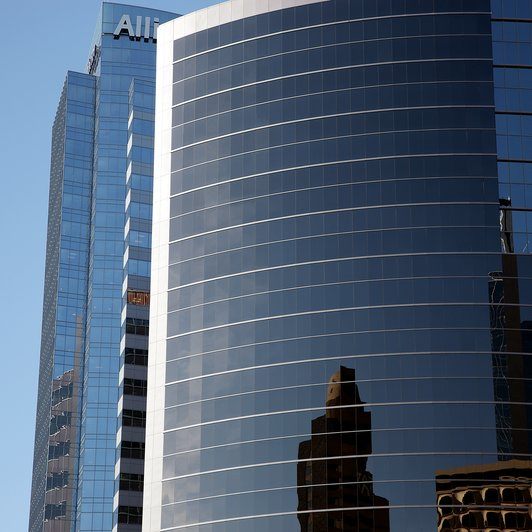
Chicago’s skyline is packed with tall buildings, many of them covered in glass. This urban “glass jungle” reflects light in all directions. Also, Chicago gets a fair share of bright, sunny days—even in the winter when the sun sits lower in the sky, shining directly into buildings for long periods. Add snowy rooftops and water reflections from the lake, and you’ve got a recipe for major glare problems.
The Hidden Cost of Glare
Most people consider glare a minor inconvenience. But in reality, it comes with several hidden costs, especially in office and residential high-rises.
- Reduced Productivity
In office buildings, glare on computer screens can slow down work and cause frustration. Employees may need to squint, reposition monitors, or close blinds—none of which are ideal solutions. - Eye Strain and Headaches
Glare can cause eye strain, especially for individuals who spend hours working on computers or reading. Over time, it can lead to headaches, fatigue, and even long-term vision problems. - Lower Quality of Life
In homes, glare can interfere with TV watching, cooking, reading, or simply enjoying the view. Some people resort to closing curtains during the day, which defeats the purpose of having beautiful, floor-to-ceiling windows. - Energy Waste
To block glare, many buildings keep blinds or shades closed and crank up the AC. This results in less natural light and increased energy consumption, leading to higher utility bills and a larger carbon footprint.
How Glare-Reducing Window Tint Works
Glare-reducing window tint is a thin film applied to windows. It works by filtering and softening the incoming sunlight, reducing brightness without completely blocking the view.
Key Functions:
- Light Diffusion: It scatters harsh rays to soften brightness.
- UV Blocking: Most tints block 99% of harmful UV rays, which also protects skin and furnishings.
- Heat Rejection: Many tints also reflect infrared rays, helping to control temperature.
- Privacy: Some tints offer reflective surfaces, giving daytime privacy without darkening the interior.
Benefits of Glare-Reducing Window Tint in Chicago High-Rises
1. Improved Comfort
Tenants and employees will enjoy a more comfortable space. With less brightness and eye strain, they can focus better and enjoy the natural light without the downsides.
2. Enhanced Productivity in Workspaces
With glare out of the way, workers can stay focused on tasks without constantly adjusting blinds or screen angles. This leads to improved concentration and output.
3. Energy Efficiency
By allowing natural light while reducing heat and glare, window tint lowers the need for both artificial lighting and air conditioning. Over time, this translates to substantial energy savings.
4. Preservation of Interiors
Glare is often accompanied by UV rays, which fade furniture, flooring, artwork, and curtains. Tinting blocks UV damage, extending the life of your building’s interiors.
5. Increased Property Value
High-rise units with comfortable, glare-free interiors are more appealing to buyers and tenants. Window tinting is a relatively low-cost upgrade that adds long-term value.
6. Sustainability & Green Building Points
Installing window tint can help buildings meet LEED and other sustainability certification standards. It’s a small step that supports a greener city.
Types of Glare-Reducing Window Tints
Different films are designed to meet specific needs. Here are the most common types suitable for Chicago high-rises:
- Mirror-like appearance from the outside
- Great for heat rejection and glare control
- Offers daytime privacy
b. Neutral or Gray Films
- Soft tint that doesn’t distort color
- Excellent balance of glare reduction and visibility
- Subtle, professional appearance
c. Dual-Reflective Films
- Reflective on the outside, neutral on the inside
- Ideal for maintaining interior clarity while maximizing performance
d. Low-E Films
- Low-emissivity (E) coatings for insulating windows
- Helps with both glare reduction and thermal comfort, especially in winter
Window Tint vs. Other Glare Solutions
You might be wondering: “Can’t I just use blinds or curtains?”
Here’s how window tint compares:
| Feature | Window Tint | Blinds/Curtains |
| Blocks Glare | ✅ Yes | ✅ Yes |
| Preserves View | ✅ Yes | ❌ No |
| Saves Energy | ✅ Yes | ⚠️ Somewhat |
| Maintenance | ✅ Low | ❌ High |
| Aesthetic | ✅ Sleek | ❌ Bulky |
| Privacy | ✅ Daytime | ⚠️ Varies |
Window tint is the only solution that lets you keep your view, cut glare, save energy, and improve appearance—all at once.
Choosing the Right Tint for Your High-Rise
Before you install, consider the following:
Building Orientation
South- and west-facing windows get the most intense glare. Prioritize those sides for stronger tints.
Interior Use
An office may need a different type of film than a residential space. Offices benefit from higher glare and heat rejection, while homes might want a softer appearance.
Aesthetic Goals
Modern, upscale buildings may prefer neutral or ceramic films for a subtle look. Older or commercial properties might go for more reflective styles to match their exterior.
Budget
While high-performance films, such as ceramic and Low-E, cost more, they deliver greater long-term savings.
Regulations
Always check local building codes and HOA guidelines before installing window tint. Some historical or landmark buildings in Chicago may have restrictions in place.
Professional Installation Matters
While DIY kits exist, high-rise tinting is not a weekend project. It involves safety considerations, permits, and special equipment, especially above the ground floor.
Professional window film installers:
- Know how to apply film without bubbles or creases
- Use industrial-grade products
- Can assess your building’s unique needs
- Provide warranties on labor and materials
Hiring an experienced team ensures the job is done right the first time.
Maintenance and Longevity
Once installed, window film needs little upkeep. Just follow these simple steps:
- Wait 30 days before cleaning after installation
- Use soft cloths or sponges (no abrasives)
- Stick to mild, ammonia-free cleaners
- Avoid sharp edges or tools near the glass
High-quality tints last 10–20 years, making them a durable, long-term solution.
Real-World Case Study: Downtown Office Tower
Let’s look at an example. A 40-story commercial building on Wacker Drive had major glare complaints from tenants on the west side. The afternoon sun caused uncomfortable brightness, and many employees used blackout blinds, which resulted in higher energy use and a dull work environment.
- After installing a dual-reflective glare-reducing window film:
- Tenant complaints dropped to nearly zero
- AC usage fell by 18% in the summer months
- The building earned LEED credits for energy performance
- The management company saw an increase in lease renewals
This success story shows how a simple upgrade can have far-reaching benefits.
Final Thoughts
Glare-reducing window tint is more than just a comfort upgrade—it’s a smart investment for any Chicago high-rise. From improving tenant satisfaction to cutting energy bills and extending the life of interiors, tinting offers a high return on investment.
In a city where sunlight reflects off every glass surface, window tinting helps you take control of your environment. You don’t have to choose between natural light and comfort—you can have both.
So if you’re managing a high-rise building, running an office downtown, or living in a sunny penthouse, it’s time to consider professional glare-reducing window tint. It’s a clear way to brighten your space, without eye strain.
Partner with Chicago’s Glare-Reduction Experts
If you’re ready to explore window tinting for your high-rise, MGT Window Solutions is here to help. With years of experience serving commercial and residential buildings across Chicago, we specialize in high-performance glare-reducing films that deliver long-term comfort and energy efficiency.
Whether you’re managing a downtown office tower or upgrading your lakefront condo, our team is ready to enhance your view without the glare.
Contact MGT Window Solutions today to schedule a free consultation and see how the right window tint can transform your space.