
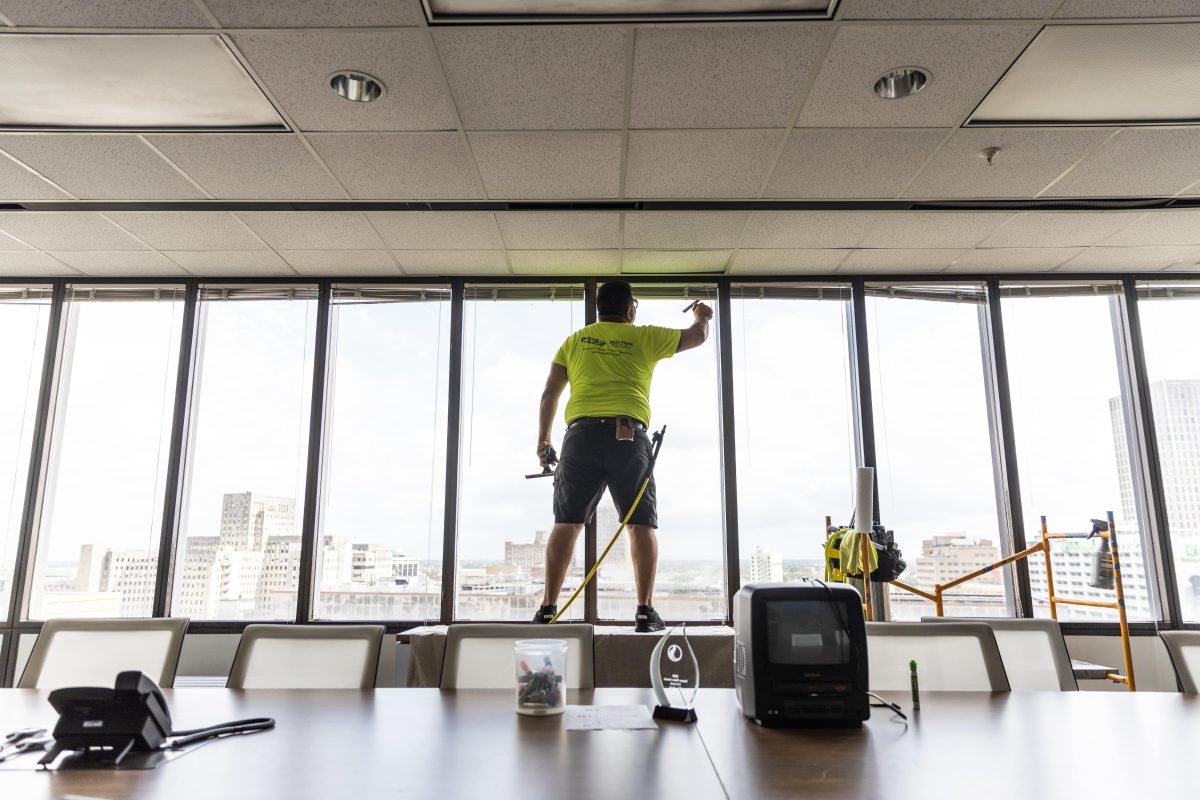
If you’re a homeowner or a business owner, chances are you’ve thought about window tinting. Maybe you want to reduce glare, save on energy bills, or protect your furniture and carpets from fading. But when it comes to window tinting, not all options are the same. You’ve probably heard terms like ceramic window tinting and traditional window tinting, and wondered what sets them apart.
In this post, I’m going to walk you through the key differences between ceramic and traditional window tinting, what each type offers, and which one might be the best fit for your home or business. By the end, you’ll feel confident making an informed decision that suits your needs.
Table of Contents
ToggleWhat is Window Tinting?
Before we dive into ceramic vs. traditional window tinting, let’s quickly cover what window tinting actually is.
Window tinting involves applying a thin film to your glass windows. This film can reduce the amount of sunlight and heat that passes through the glass. Tinting helps control temperature, reduce glare, increase privacy, and protect interiors from UV damage.
Window tinting isn’t just for cars—it’s widely used in homes and commercial buildings. With advances in technology, there are several types of window films available, but the two most popular are ceramic and traditional tints.
Traditional Window Tinting: What You Need to Know
Traditional window tinting usually refers to dyed or metalized window films. These films have been around for decades and come with a few well-known benefits.
Types of Traditional Window Tint
- Dyed Film: This is one of the oldest types of film. It uses dye to absorb sunlight and reduce glare. Dyed films are usually dark in color and give windows a sleek, tinted look.
- Metalized Film: This film contains tiny metal particles that reflect sunlight and heat. Metalized films are more durable and effective than dyed films, but they can interfere with electronic signals like WiFi or cell reception.
Benefits of Traditional Tint
- Cost-Effective: Traditional films are generally cheaper to install than ceramic films, making them a popular choice for budget-conscious homeowners and businesses.
- Good Heat Reduction: Metalized tints can block a good portion of heat, helping to cool indoor spaces.
- UV Protection: Most traditional films block a significant amount of harmful UV rays, protecting furniture, flooring, and skin.
Downsides of Traditional Tint
- Color Fading: Dyed films tend to fade over time, turning purple or blue, which can affect the window’s appearance.
- Signal Interference: Metalized films can interfere with cell phones, GPS, and WiFi signals.
- Less Clarity: Traditional films can sometimes reduce visibility, making windows look dark or cloudy.
- Durability: Traditional tints can scratch or peel more easily compared to ceramic films.
Ceramic Window Tinting: The New Gold Standard
Ceramic window tinting is a newer technology that uses advanced ceramic particles to block heat and UV rays without compromising visibility.
What Makes Ceramic Different?
Ceramic tints contain tiny ceramic particles that are non-metallic and non-conductive. This means they don’t block radio signals or interfere with electronics. They are also highly effective at rejecting heat and UV rays.
Benefits of Ceramic Tint
- Superior Heat Rejection: Ceramic tint can block up to 50% or more of the heat that tries to enter your home or office, making your space cooler and more comfortable.
- UV Protection: It blocks up to 99% of harmful UV rays, which helps prevent fading and protects your family’s skin.
- No Signal Interference: Unlike metalized tints, ceramic films won’t mess with your WiFi, GPS, or cell phone reception.
- High Clarity: It provides excellent optical clarity. Your windows will look clear and natural without that dark or “cloudy” tint.
- Durability: Ceramic tints are highly scratch-resistant and tend to last longer than traditional films.
- Glare Reduction: They reduce glare from the sun without making your rooms feel dark.
Downsides of Ceramic Tint
- Higher Cost: Ceramic films are more expensive upfront compared to traditional tints, but many find the benefits worth the investment.
- Availability: Ceramic films are less common and may require installation from specialized providers.
Ceramic vs. Traditional Window Tinting: A Side-by-Side Comparison
| Feature | Traditional Window Tinting | Ceramic Window Tinting |
| Cost | Lower upfront cost | Higher upfront cost |
| Heat Rejection | Moderate to good (metalized better) | Superior heat rejection |
| UV Protection | Good (typically 80-90%) | Excellent (up to 99%) |
| Signal Interference | Metalized films interfere | No interference |
| Durability | Prone to fading and scratching | Highly durable and scratch-resistant |
| Appearance | Can look dark, fade, or cloudy | Clear, natural look |
| Glare Reduction | Moderate | Excellent |
| Privacy | Provides good privacy | Provides good privacy |
| Installation | Widely available | May require a specialist |
Which is Better for Homes?
When it comes to residential window tinting, the choice depends on your priorities.
- If you want a budget-friendly solution that still offers decent UV protection and heat reduction, traditional dyed or metalized films can work well. They’re a good step up from bare glass, especially if you just want some privacy and glare control.
- If you care about clear views, maximum heat rejection, and long-lasting protection, ceramic tint is the way to go. It keeps your home cooler in the summer without making rooms feel dark and won’t fade or discolor over time.
- Ceramic film is also a great choice if you have a home office or rely heavily on WiFi and cell signals inside your house. Traditional metalized films could interfere with your devices.
Which is Better for Businesses?
For commercial buildings, the considerations are slightly different but often overlap.
- Energy Efficiency: Offices and retail stores with large windows can benefit significantly from ceramic tint. It reduces the need for air conditioning by blocking more heat, which lowers energy costs.
- Comfort: Ceramic films reduce glare, making it easier for employees to work and customers to shop without squinting or headaches.
- Aesthetic: Businesses often want to maintain a professional appearance with clear, bright windows. Ceramic tint preserves clarity and doesn’t darken the glass too much.
- Technology: Since many businesses depend on strong wireless signals, ceramic tint’s lack of signal interference is a big advantage.
- Investment: While ceramic tint has a higher upfront cost, the energy savings and durability often make it the smarter long-term investment for commercial properties.
Installation Considerations
No matter which type you choose, proper installation is critical for window tint to perform well and last long. Poor installation can lead to bubbles, peeling, or reduced effectiveness.
- Always hire a professional installer with good reviews and experience.
- Make sure the tint film is warrantied by the manufacturer.
- Confirm that your windows are clean and free of damage before tinting.
- Ask about maintenance tips to keep your tint looking great.
Other Factors to Think About
Local Climate
- If you live in a hot climate with lots of sun, the heat rejection and UV protection of ceramic tint can be a game-changer.
- In cooler areas, traditional tint might be enough, especially if glare reduction is your primary concern.
Window Type and Size
- Ceramic tint is great for large glass panels or windows that get direct sunlight.
- For smaller windows or decorative glass, traditional tint might be sufficient and more cost-effective.
Building Codes and Regulations
Some areas have restrictions on how dark window tinting can be, especially on ground-level windows. Check local laws before installing.
Summary: Making the Right Choice for You
| Need / Concern | Best Option |
| Budget-Friendly Tinting | Traditional Window Tint |
| Maximum Heat Reduction | Ceramic Window Tint |
| Protecting Furniture & Skin | Ceramic Window Tint |
| Clear Views & Natural Light | Ceramic Window Tint |
| Avoid Signal Interference | Ceramic Window Tint |
| Energy Savings & Durability | Ceramic Window Tint |
| Basic Privacy & Glare Control | Traditional Window Tint |
Final Thoughts
Window tinting is a smart way to improve your home or business environment. It saves energy, increases comfort, and protects your interior from damage. Both ceramic and traditional window tinting have their place, but ceramic technology is quickly becoming the top choice for those who want the best in performance and durability.
If you’re looking for a cost-effective, simple option, traditional tinting can still meet your needs. But if you want the latest in heat rejection, UV protection, and clear views, investing in ceramic window tint will pay off in the long run.
Ready to upgrade your windows? Contact a trusted local installer to explore your options and get a personalized recommendation tailored to your property and lifestyle.
Trust MGT Window Solutions
If you’re ready to experience the benefits of professional window tinting for your home or business, MGT Window Solutions is here to help. With years of experience serving the local community, we specialize in both ceramic and traditional window tinting, tailored to meet your unique needs and budget.
Get in touch today for a free consultation and see why so many homeowners and business owners trust MGT Window Solutions for all their window tinting needs.