
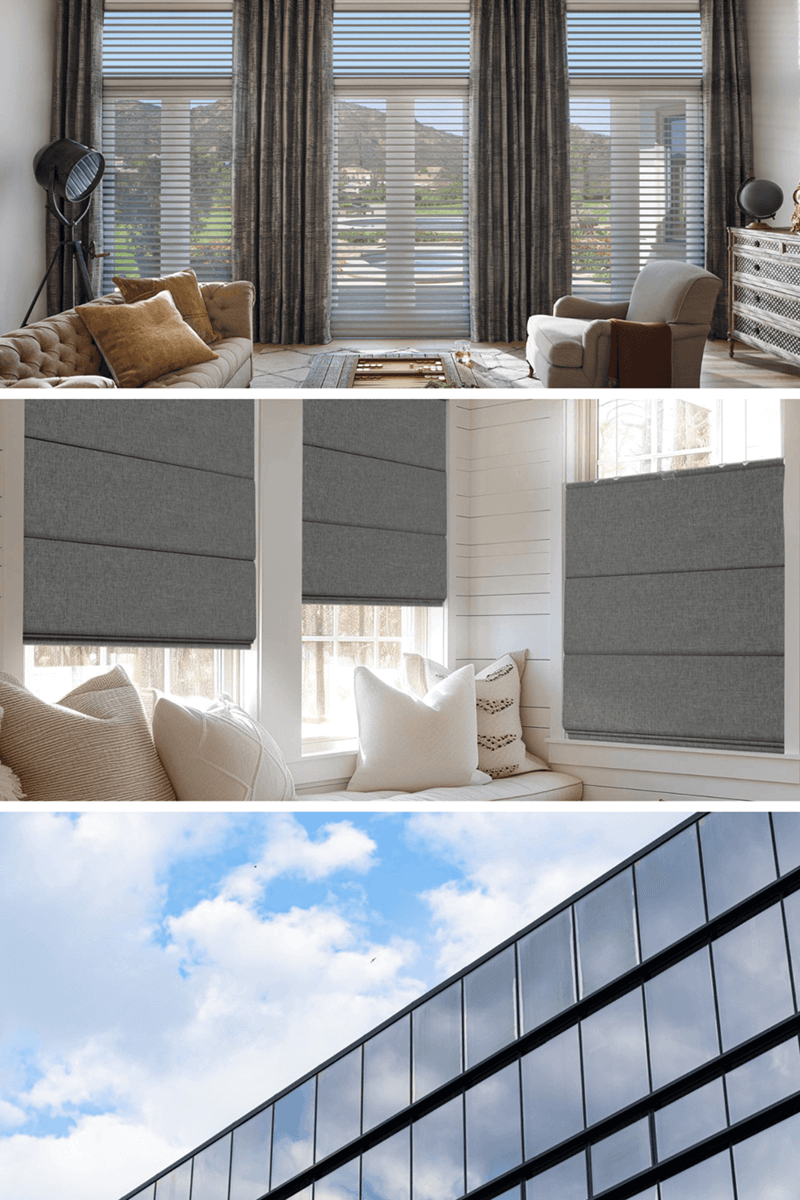
Controlling sunlight and glare in your home or workplace isn’t just about comfort—it’s also about protecting your furniture, enhancing your privacy, improving energy efficiency, and even boosting your mood. But with so many options like blinds, shades, and window film, how do you know which one is the right choice?
In this guide, we’ll break down everything you need to know to make the best decision for your space. Whether you’re outfitting a sunny living room, a home office, or a commercial storefront, this article will help you choose the best solution for light control.
Table of Contents
ToggleWhy Light Control Matters
Before jumping into the different window treatments, let’s understand why light control is so important:
- Comfort: Harsh sunlight can cause glare on screens and make rooms uncomfortably hot.
- Energy Efficiency: Managing sunlight can help keep your rooms cooler in summer and warmer in winter, saving you money.
- UV Protection: Sunlight can cause fading of furniture, flooring, and artwork.
- Privacy: Proper window coverings can prevent outsiders from peeking in.
- Ambiance: The right lighting creates a cozy and inviting atmosphere.
With that in mind, let’s explore your three main options: blinds, shades, and window film.
Option 1: Blinds
What Are Blinds?
Blinds are window coverings made of horizontal or vertical slats, usually made from wood, plastic, or metal. You can tilt them open or closed to control the amount of light entering the room.
Types of Blinds
- Venetian Blinds: Horizontal slats that can be tilted, raised, or lowered.
- Vertical Blinds: Best for large windows or sliding doors.
- Mini Blinds: Smaller slats, usually used for narrow windows.
- Wood/Faux Wood Blinds: Offer a classic look and add warmth.
Pros of Blinds
- Adjustable Light Control: You can tilt the slats to direct light where you want it.
- Good for Privacy: You can block outside views without losing all the light.
- Stylish Options: Available in various colors and materials to match your décor.
- Affordable: Typically less expensive than custom shades.
Cons of Blinds
- Maintenance: They attract dust and need regular cleaning.
- Limited Insulation: They don’t block heat or cold as well as some other options.
- Moving Parts: Can break or wear down over time.
Best for:
- Bedrooms
- Offices
- Rental properties (easy to replace)
Option 2: Shades
What Are Shades?
Shades are fabric window coverings that roll, fold, or stack up. Unlike blinds, they are made of one continuous piece of material, so they don’t have slats.
Types of Shades
- Roller Shades: Simple and sleek, they roll up into a tube.
- Roman Shades: Fold into neat pleats when raised.
- Cellular (Honeycomb) Shades: Trap air to help insulate your space.
- Solar Shades: Reduce glare and UV rays while keeping views outside.
Pros of Shades
- Soft Look: Add warmth and elegance to a room.
- Great Insulation: Especially cellular shades—perfect for energy savings.
- Custom Light Filtering: Choose from sheer, light-filtering, or blackout fabrics.
- Easy Operation: Motorized options are available for modern homes.
Cons of Shades
- Limited Light Direction Control: You can’t tilt them like blinds.
- Can Be Pricey: Custom shades can be expensive.
- Wear and Tear: Fabric can fade or tear over time.
Best for:
- Living rooms
- Nurseries or bedrooms (blackout shades)
- Modern homes (motorized options)
Option 3: Window Film
What Is Window Film?
Window film is a thin layer of material applied directly to the glass. It can block UV rays, reduce glare, enhance privacy, or even add a decorative touch.
Types of Window Film
- Solar Control Film: Blocks heat and UV rays.
- Privacy Film: Frosted or mirrored, prevents people from seeing inside.
- Decorative Film: Adds patterns or designs.
- Security Film: Strengthens glass against breakage.
Pros of Window Film
- Invisible Solution: No bulky blinds or fabrics—your view stays clear.
- UV and Heat Protection: Keeps rooms cooler and protects furnishings.
- Permanent or Removable: Choose depending on your needs.
- Low Maintenance: Just clean the glass like normal.
Best for:
- Storefronts
- Sunrooms
- Museums or galleries
- Any room with a great view
Side-by-Side Comparison
| Feature | Blinds | Shades | Window Film |
| Light Control | Adjustable slats | Full raise/lower | Filters or blocks |
| Privacy | Moderate to high | High (with blackout) | High (with privacy film) |
| Insulation | Low | High (with cellular shades) | Moderate |
| UV Protection | Some | Varies | Excellent |
| Maintenance | Needs frequent cleaning | Easy-to-clean fabrics | Low |
| Cost | Low to medium | Medium to high | Low to medium |
| Style | Modern to classic | Soft and elegant | Minimalist |
| Installation | Simple DIY | May need professional | Best done by pros |
What to Consider When Choosing
1. Room Function
- Bedrooms may benefit from blackout shades.
- Living rooms often need both style and light filtering.
- Offices can use solar film to reduce screen glare.
2. Sunlight Direction
- South- or west-facing windows get more direct sun and heat.
- Films or solar shades are great for these locations.
3. Budget
- If you’re on a tight budget, blinds or basic window film may be the best.
- If you want a long-term investment, consider cellular shades or high-quality film.
4. View and Privacy
- Want to keep your view but reduce glare? Try solar film or solar shades.
- Need privacy for bathrooms or bedrooms? Go for privacy film or blackout shades.
5. Aesthetics
- Shades offer the most variety in texture and fabric.
- Blinds offer a structured, clean look.
- Film keeps things simple and modern.
Combining Solutions for Best Results
Sometimes the best choice isn’t just one option. Many homeowners and business owners mix and match:
- Blinds + Film: Get adjustability and UV protection.
- Shades + Film: Enjoy soft aesthetics with added solar control.
- Decorative Film + Roller Shades: Add style and practicality.
By layering treatments, you can fine-tune light, privacy, and temperature control for each room.
Final Thoughts: Which Is Right for You?
Each window treatment—blinds, shades, or film—has its own unique benefits. The best choice ultimately depends on your space, goals, and style preferences.
To sum it up:
- Choose blinds if you want flexibility, affordability, and a classic look.
- Choose shades if you want softness, insulation, and custom lighting.
- Choose window film if you want invisible protection, privacy, and energy savings without blocking the view.
Need Help Choosing?
If you’re still unsure which option works best for your space, it’s always helpful to speak to a professional.
MGT Window Solutions specializes in premium window films for homes, offices, museums, and retail environments. With expert installers and high-performance films, we help you control light, protect interiors, and enhance comfort, without sacrificing style.
Contact MGT Window Solutions today to schedule a free consultation and find the perfect light control solution for your space.