
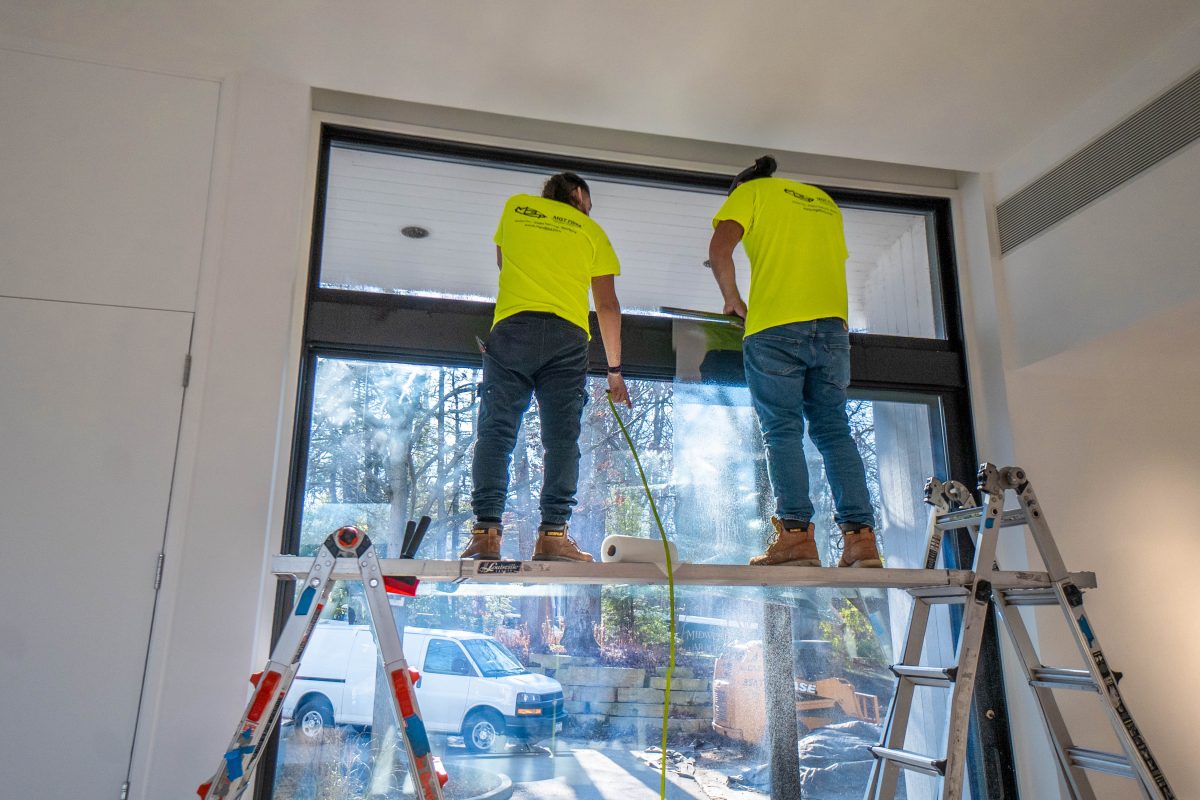
Chicago homeowners considering residential window tinting usually want one of three things: lower energy costs amid the city’s brutal winter-to-summer swing, UV protection that prevents year-round fading of floors and furniture, or privacy in a city where homes sit close together, and courtyard buildings face directly into shared outdoor space. Window film can address all three, though the best option depends on your home’s exposure, age, and layout.
Chicago’s housing stock adds its own considerations. A high-rise condo with floor-to-ceiling glass has a different film need than a century-old graystone with original single-pane windows, and a courtyard building facing a shared interior space has different privacy priorities than a single-family home in a quieter outer neighborhood. Here’s why Chicago homes specifically benefit from window film, which film types address which priority, and how the right choice varies by home type across the city.
Key Takeaways
- Chicago’s seasonal extremes- hot, sun-intensive summers and genuinely cold winters- mean window film needs to address both heat and cold-weather performance, not just summer glare.
- UV exposure through untreated glass contributes to year-round fading on floors, furniture, and artwork, not just during summer months.
- Privacy needs vary significantly by Chicago housing type, from courtyard buildings facing shared outdoor space to graystones with windows close to neighboring properties.
- Solar control, Low-E, and privacy/decorative film each address a different priority, and most Chicago homes benefit from matching film type to the specific problem at each window.
- Older Chicago housing stock, including graystones and other pre-war buildings, often has single-pane or aging glazing that benefits particularly from film’s added performance layer.
Why Chicago Homes Need Window Film
Chicago’s climate creates a genuine two-sided problem that many other markets don’t face to the same degree. Summer sun through south- and west-facing glass drives up cooling costs and creates glare on interior surfaces, particularly in homes with larger window areas or minimal exterior shading. Lakefront-adjacent neighborhoods and higher floors in high-rise buildings often see this most intensely, since there’s little natural obstruction to block direct afternoon sun. Winter is when the climate swing really matters: older or single-pane glazing, common in much of Chicago’s housing stock, loses heat readily, creating cold spots near windows and forcing heating systems to work harder throughout a long winter season that regularly brings sustained sub-freezing temperatures.
UV exposure compounds this in a way that isn’t tied to any season. Untreated glass lets a significant amount of UV radiation through regardless of outdoor temperature, so floors, furniture, and artwork risk fading year-round, not just during the sunniest months. This is easy to overlook in a climate with a genuinely cold winter, since people tend to associate UV concerns with summer, when in reality exposure continues even on a bright, cold January afternoon.
Privacy adds a third, distinctly Chicago-shaped consideration. The city’s density means many homes, particularly in neighborhoods with courtyard buildings, graystones, and closely spaced lots, have windows that face directly into shared spaces, alleyways, or neighboring units at a closer distance than most suburban housing. This isn’t a problem window film alone always solves, but it’s frequently part of why Chicago homeowners start looking into film in the first place.
Film Options: Solar, Low-E, and Privacy/Decorative
 Solar Control Film
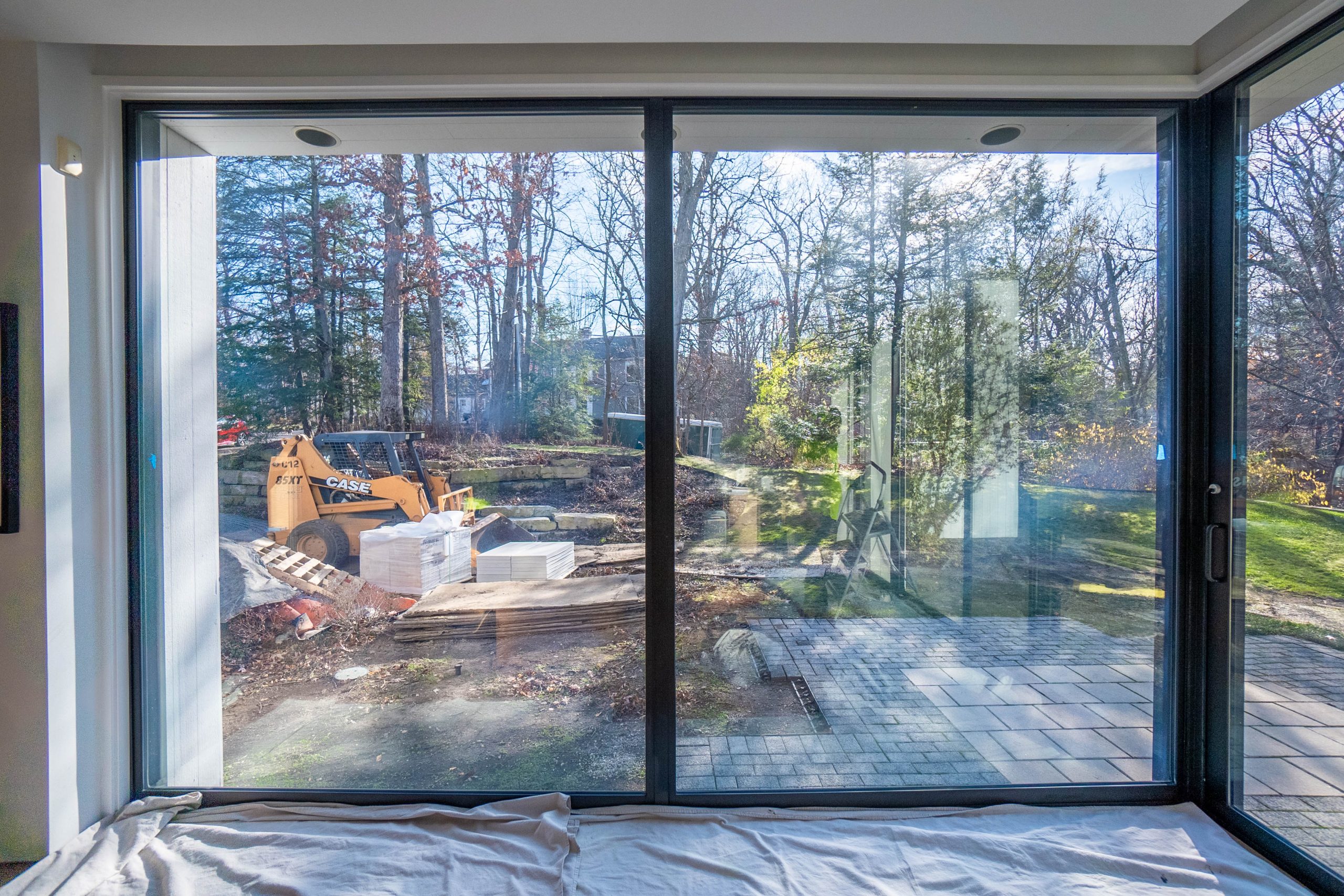
Solar control film is the most commonly specified option for Chicago homes dealing with summer heat and glare. It reduces the solar heat gain and UV transmission coming through south- and west-facing glass, easing the load on cooling systems during Chicago’s genuinely hot summer stretches while cutting glare on screens and interior surfaces.
Low-E Film
Low-emissivity film addresses the side of Chicago’s climate that solar film alone doesn’t: winter heat loss. 3M’s Low-E window film reflects radiant heat from inside a room back into the space, which helps reduce the cold-glass effect that makes rooms near older or single-pane windows feel drafty during Chicago winters. 3M publishes performance data on this radiant-heat mechanism across its Low-E product line, which is the kind of documented specification worth reviewing for any Low-E product under consideration. For homes with a genuine heating-season concern, which describes most of Chicago, Low-E film delivers value in both seasons rather than being a summer-only upgrade.
Privacy and Decorative Film
Privacy and decorative film addresses the third priority directly, adding frosted, patterned, or one-way treatments to windows facing shared courtyards, close neighboring lots, or street-level sightlines. This category also opens up design options, since decorative patterns can serve both a privacy function and an aesthetic one, particularly on entryway glass or street-facing windows in older homes.
Best Applications by Chicago Home Type
High-Rise Condos
High-rise units often have large expanses of glass with significant sun exposure and limited ability to modify the building’s exterior, making film a practical option since it works entirely from the interior side of the glass. Solar control and Low-E film are both common choices depending on which unit’s exposure and floor level create the bigger comfort concern.
Graystones and Historic Homes
Chicago’s classic graystones and other historic housing often still have original or aging window glazing, which makes them strong candidates for Low-E film, since the winter performance gap tends to be largest in older glass. Decorative or privacy film is also a common addition on street-facing windows in these homes, where original architectural character makes full window replacement a less appealing option than a film-based upgrade.
Courtyard Buildings
Courtyard-style buildings, common throughout many Chicago neighborhoods, often have units facing directly into a shared interior courtyard, which raises privacy considerations more than in a typical single-family layout. Frosted or patterned privacy film is a frequent priority here, sometimes paired with solar-control film on courtyard-facing glass that receives significant sun exposure.
Single-Family Homes in Outer Neighborhoods and Suburbs
Single-family homes with more space between neighboring properties often prioritize energy performance over privacy. However, homes on smaller lots or with windows facing a neighbor’s yard still see real value in privacy or decorative film on specific windows, such as bathrooms or ground-floor rooms facing a shared property line.
Focus on Energy Efficiency for Chicago Homeowners
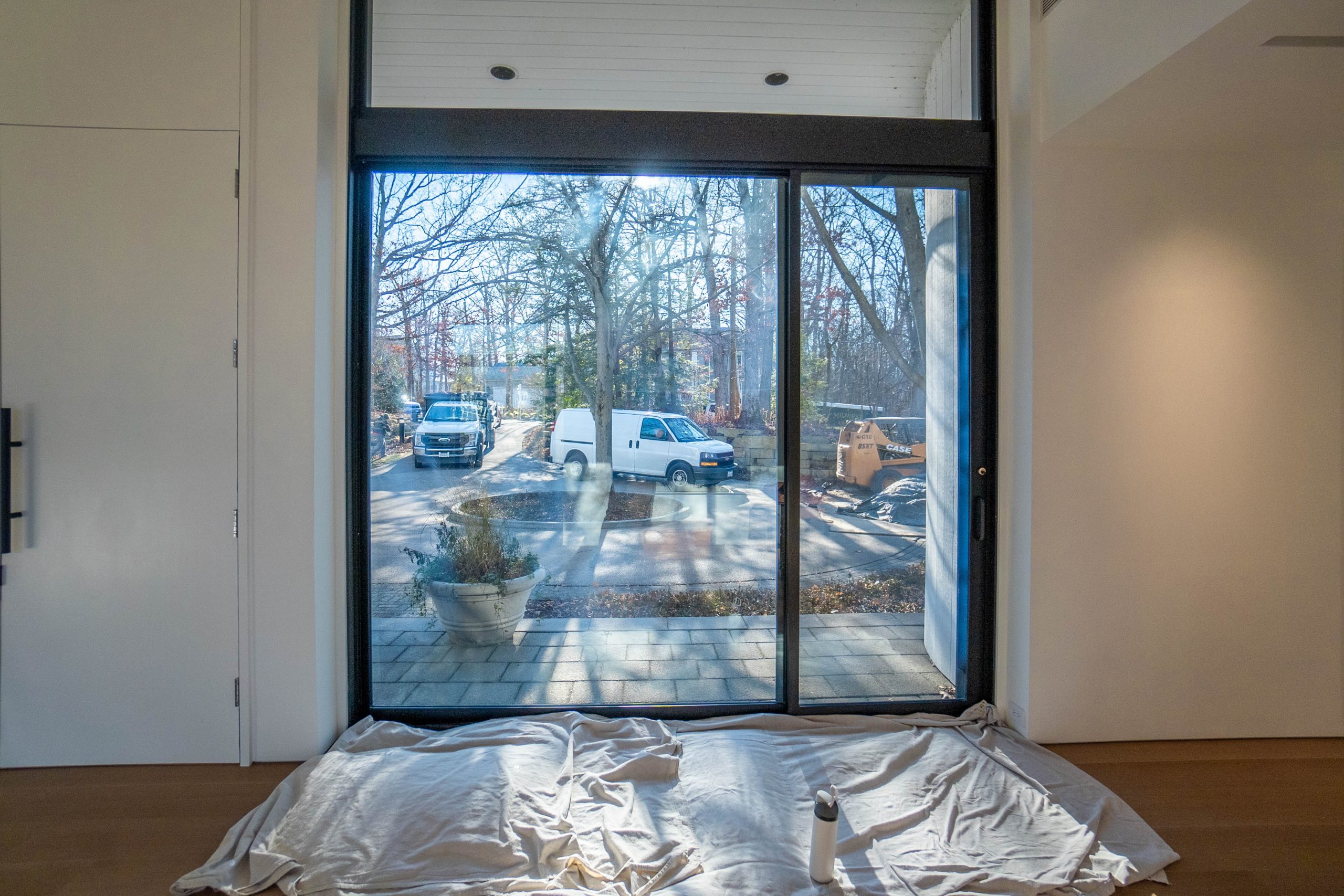 Chicago’s combination of a real cooling season and a genuinely demanding heating season means window film’s energy case applies across more of the year than in many other markets. Solar control film reduces the cooling load during summer, while Low-E film addresses winter heat loss; together, they cover both sides of Chicago’s climate, not just one. For homeowners weighing the investment, this dual-season relevance is part of why window film tends to make more practical sense in Chicago than in climates with only one dominant season to plan around.
This dual-season benefit also matters for how homeowners think about which windows to prioritize first if a full-home project isn’t in the budget right away. Windows with the most direct summer sun exposure and windows with the most noticeable winter draft are often not the same windows in a given home, which is worth factoring into a phased approach if you’re treating your home’s windows over time rather than all at once.
Conclusion
Chicago residential window tinting addresses three real concerns: energy performance in a demanding climate, year-round UV exposure, and privacy needs shaped by the city’s housing density. The right film choice depends on your specific home. A high-rise unit facing significant sun exposure has different priorities than a graystone with original glazing or a courtyard building facing a shared space. Matching the film type to your home’s actual situation, rather than assuming a single product covers everything equally, leads to a result that actually solves the problem you started with.
Frequently Asked Questions
Does window film really help with Chicago’s cold winters, or is it mainly a summer product?
Low-E film specifically addresses winter performance by reducing radiant heat loss through the glass, making it relevant for Chicago’s heating season, not just summer heat and glare.
Is privacy film worth it for a courtyard-facing condo unit?
Many courtyard-facing units benefit meaningfully from privacy or decorative film, since these layouts often place windows in close, direct line of sight with neighboring units in the same shared space.
Can window film be installed on older glazing in a historic graystone?
Yes, film can generally be applied to older single-pane or original glazing, and older glass is often where film’s performance improvement is most noticeable.
Do I need different film for different rooms in the same house?
Often yes. A south-facing living room dealing with summer glare may call for solar control film, while a bathroom facing a neighbor’s window might prioritize privacy film instead.
How does UV exposure affect my home if my furniture isn’t directly in the sun?
UV radiation passes through untreated glass and can over time affect furniture, flooring, and artwork throughout a room, not just items sitting in direct sunlight.
Is Low-E film a good fit for a high-rise condo, or is that mainly for single-family homes?
Low-E film works well in high-rise units, too, particularly on higher floors, where wind and temperature exposure against the glass is more consistent.
Will privacy film block too much light in a smaller Chicago apartment?
Quality privacy film, especially frosted or lightly patterned options, is designed to maintain natural light while addressing sightline concerns, so most spaces stay reasonably bright.
How do I know which film priority matters most for my specific home?
A site assessment that considers your home’s specific window exposure, glazing age, and layout provides the clearest answer on whether energy, UV, or privacy should be the leading priority for your project.
Should I treat every window in my house at once, or can I prioritize certain ones first?
Prioritizing your sunniest windows for solar control and your draftiest windows for Low-E film is a reasonable phased approach if you’re not doing a full-home project right away, since those aren’t always the same windows.
Does window film help with condensation on cold windows during a Chicago winter?
It can help somewhat, since warmer interior glass surface temperatures reduce the conditions that lead to condensation. However, indoor humidity and ventilation also affect how much condensation occurs.
Request a Chicago Site Assessment
Every Chicago home has a different mix of energy, UV, and privacy priorities based on its specific windows, exposure, and layout.
Contact MGT to schedule a site assessment and receive a film recommendation tailored to your home’s specific needs.