
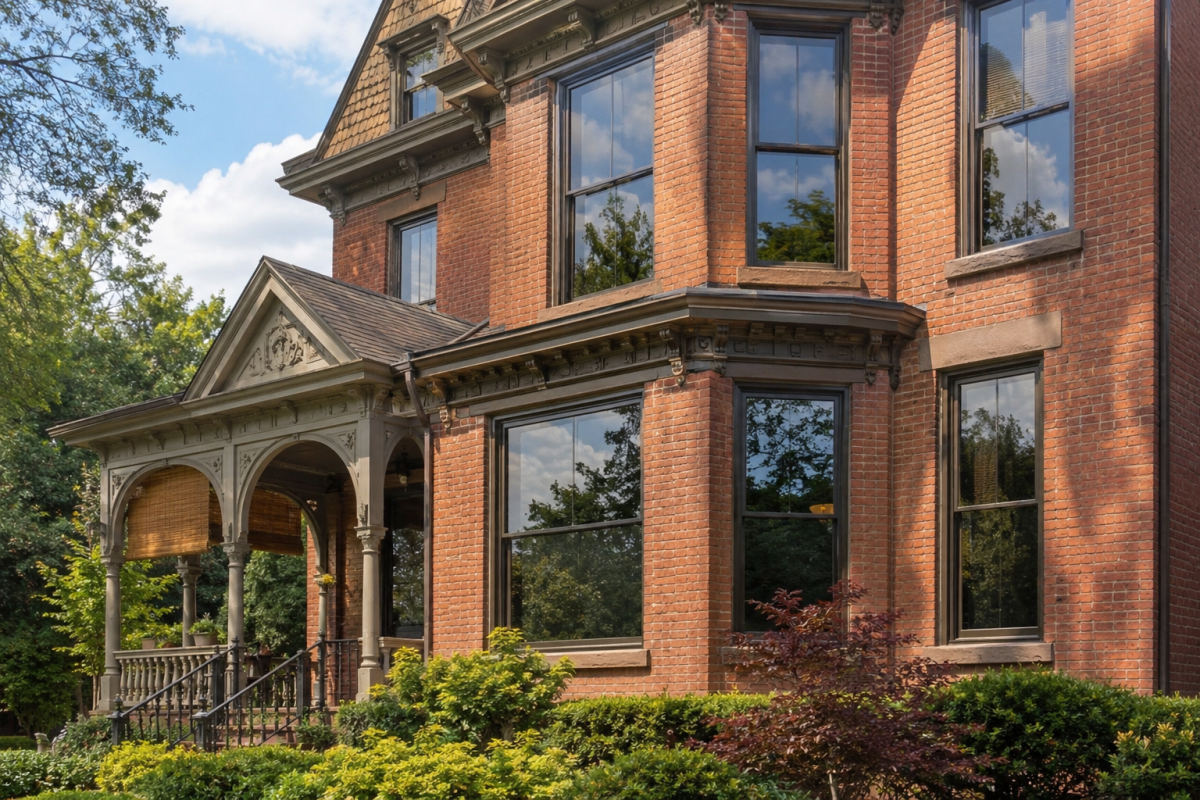
Historic homeowners in Jackson face a problem that newer construction does not. The original single-pane windows that give a Belhaven craftsman or a Fondren cottage its character are also among the least thermally efficient glazing systems in any residential market. Replacing them is often prohibited by historic district guidelines, financially impractical, or simply something preservation-minded owners refuse to do. Living with them, however, means Mississippi summers that push interior temperatures into uncomfortable ranges and UV exposure that quietly destroys antique furniture, original hardwood floors, and irreplaceable textiles year after year.
Solar control window film resolves that conflict. Applied directly to existing glass, it delivers modern heat rejection and UV protection without altering the exterior appearance that historic district reviews and homeowner sensibilities both require. The glass stays original. The character stays intact. The interior becomes livable.
MGT Glass Solutions installs solar control window film for historic homes throughout Jackson and surrounding neighborhoods, including Belhaven, Fondren, Eastover, and the North State Street corridor. This guide covers how film performs on original historic glass, which product options preserve exterior character, and what homeowners should know before scheduling an installation.
The Problem With Historic Glass in Mississippi Summers
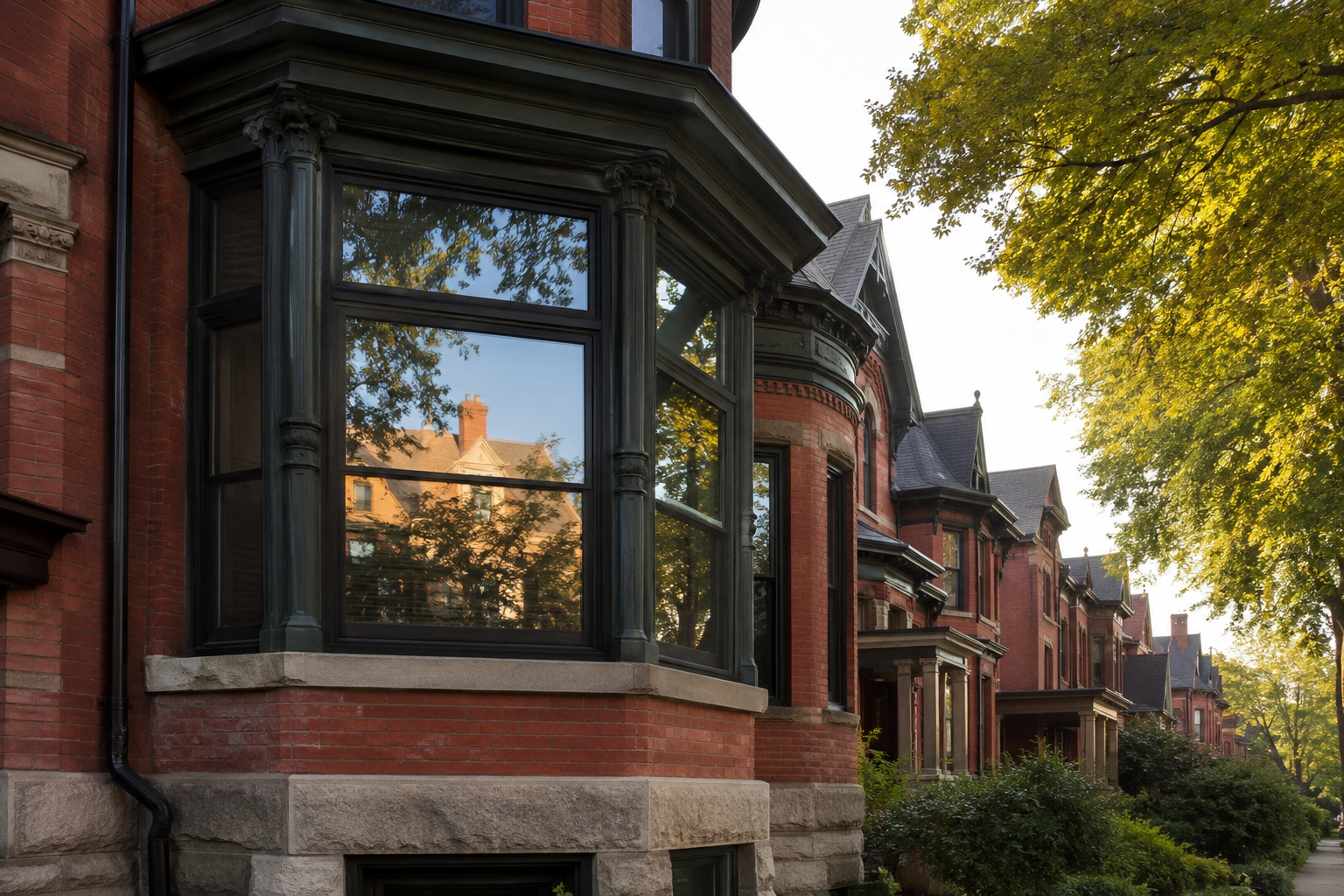 Mississippi’s climate is unforgiving for single-pane glazing. Jackson regularly sees summer temperatures above 95 degrees, and single-pane glass, even in good condition, offers little meaningful resistance to solar heat gain. In a west- or south-facing room with original windows, interior surface temperatures near the glass can run 20 to 30 degrees above the ambient room temperature on a clear afternoon. Ceiling fans and window units can compensate, but they cannot address the radiant heat that single-pane glass transmits directly into the space.
The UV problem compounds over time in ways that are not immediately visible. Ultraviolet radiation transmitted through unprotected glass is the primary driver of fading in hardwood floors, wool rugs, upholstered furniture, oil paintings, and any textile or pigment-based material in the room. A historic home filled with period-appropriate antiques, original art, and restored woodwork is especially vulnerable because those materials are often irreplaceable and their condition directly affects the home’s historical integrity and market value.
Historic district guidelines in Jackson neighborhoods like Belhaven and Fondren generally prohibit window replacement that alters the exterior profile or appearance of original fenestration. That restriction, while appropriate for preservation purposes, leaves homeowners with limited options for addressing heat and UV without film.
Film Options That Don’t Change Exterior Appearance
The primary concern for historic district homeowners considering window film is exterior appearance. Reflective films, which produce a mirror-like exterior surface, are generally inappropriate for historic residential applications. They alter the visual character of the glass, can conflict with historic district review standards, and are simply inconsistent with the aesthetic of pre-war and mid-century residential architecture.
Neutral solar control films address this directly. These products are formulated to reject solar heat and block UV radiation with minimal changes to the glass’s visible light transmission and reflectivity. From the exterior, neutral film looks like glass. The windows retain their original appearance, profile, and, in most cases, color and reflectivity characteristics.
For Belhaven and Fondren homeowners subject to design review, neutral film installations have consistently passed exterior appearance reviews because they do not alter the perceived character of the fenestration. MGT Glass Solutions selects film specifications based on each project’s exterior appearance requirements, and we can provide sample panels for review before any installation begins.
Residential window tinting in a historic home context is not a one-size-fits-all product decision. The right film depends on window orientation, interior use, existing glass condition, and exterior appearance constraints. The consultation process accounts for all of these variables before a specification is committed.
UV Protection for Antiques, Art, and Hardwood Floors
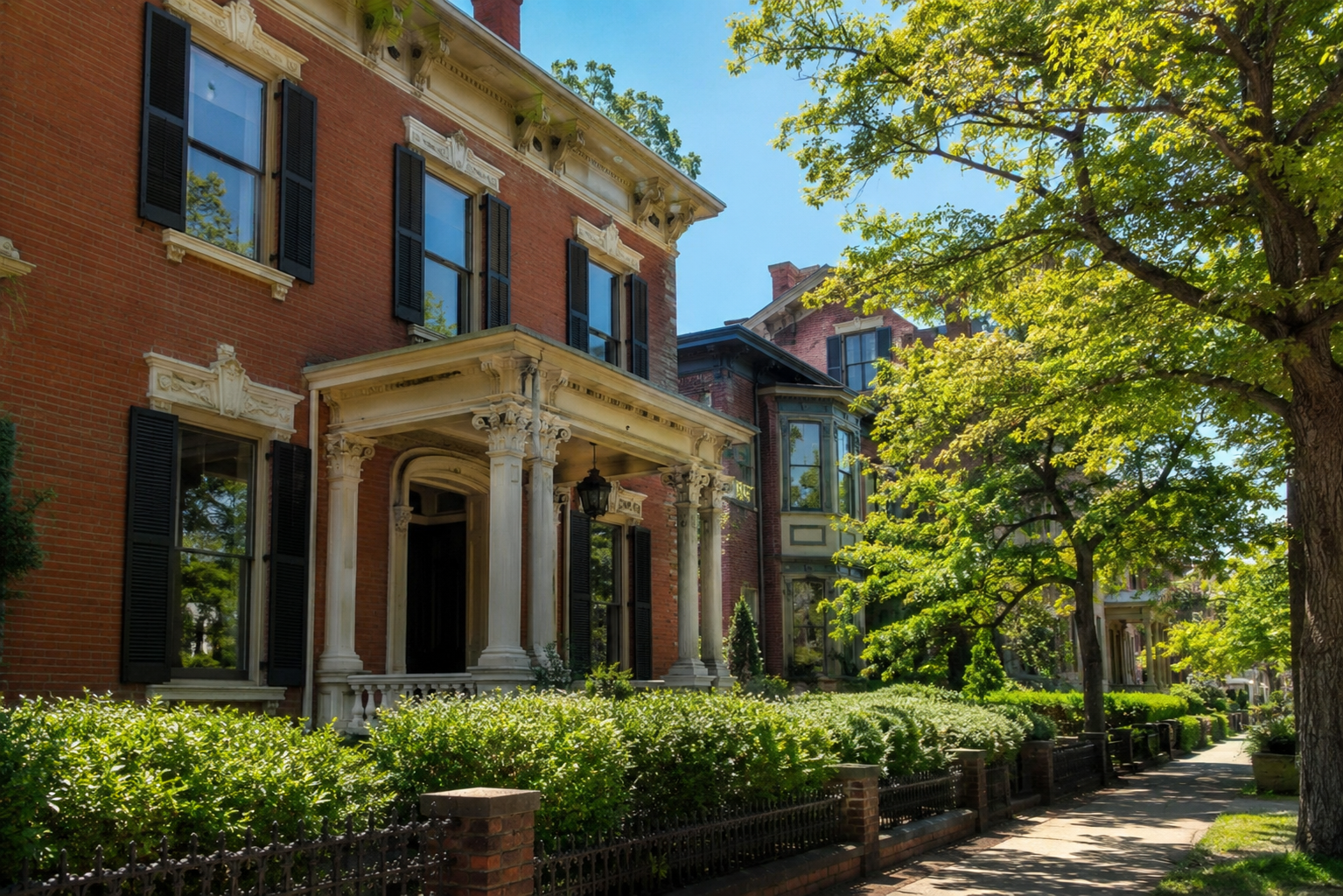 UV protection is often the highest priority for Jackson historic homeowners, and it is where solar control film delivers its most measurable long-term value. Quality solar control films block 99 percent or more of UV radiation, which is the component of sunlight most responsible for fading and photodegradation of interior materials.
For a historic home with original heart pine floors, the difference between protected and unprotected glass is visible within a few years. Unprotected floors develop uneven coloration as exposed areas fade relative to areas under rugs or furniture. Protected floors age more uniformly and retain their original finish character significantly longer. Our post on protecting hardwood floors from sun fading covers the mechanism and the measurable outcomes in detail.
For antique textiles, wool rugs, and upholstered pieces, UV protection is even more critical because those materials cannot be refinished once fading occurs. Oil paintings and watercolors on paper are similarly vulnerable to UV-driven pigment degradation. A solar control film installation in a room with significant antique or art content is one of the most cost-effective preservation investments available to a historic homeowner.
Understanding the full picture of UV damage and heat protection for homes provides useful context before selecting a film specification, particularly for homeowners who want to prioritize UV blocking over heat rejection, or vice versa.
Installation on Single-Pane and Original Wood-Framed Windows
Installing film on historic windows requires more care than a standard residential installation. Original single-pane glass, particularly wavy or hand-rolled glass from pre-1950 construction, has surface irregularities that affect how film adheres and how it appears after installation. Wood frames, especially those with original glazing compound, require a different edge treatment than aluminum or vinyl frames to ensure the film edges seal properly and do not lift over time.
MGT Glass Solutions has direct experience with historic window installations across Jackson’s older neighborhoods. Our installers understand the handling requirements for fragile original glass, the edge treatment protocols for wood-framed openings, and the film specifications that perform well on irregular glass surfaces without optical distortion.
Single-pane windows do carry one consideration that homeowners should understand before installation. Film on single-pane glass does not pose the same thermal stress risk as film on sealed insulated glass units in some configurations. This means the product selection process for historic single-pane windows is actually less constrained in some respects, and higher-performance films that would be inappropriate on certain insulated glass units are often suitable for original single-pane glazing.
Schedule a Jackson Historic Home Consultation
Historic home film installations benefit from an in-person consultation before any product decision is made. Glass condition, frame type, window orientation, interior use, and exterior appearance requirements all influence the specification, and those variables are best assessed on-site.
MGT Glass Solutions conducts in-home consultations for historic properties throughout Jackson, including Belhaven, Fondren, Eastover, Woodland Hills, and the broader historic district corridor. The consultation covers a full window inventory, film specification recommendations with exterior appearance samples, and an installation timeline that works around your schedule.
Contact MGT Glass Solutions to schedule your Jackson historic home consultation and get a specification that protects your interior, preserves your exterior, and holds up through Mississippi summers for years to come.
Frequently Asked Questions
Can window film be installed on wavy or original historic glass?
Yes. Wavy or hand-rolled historic glass can accept solar control window film, but the installation requires an experienced installer who understands how to work with irregular glass surfaces. Surface irregularities in the original glass affect the application process and can cause minor optical variations in the film if not handled properly. MGT Glass Solutions has direct experience installing film on original historic glass in Jackson’s older neighborhoods and uses application techniques appropriate for these surfaces. A consultation and glass condition assessment before installation ensures the right product and method are selected for each window.
Will film damage old single-pane windows?
Properly specified solar-control film does not damage the original single-pane glass. The thermal stress risk that film can pose to sealed insulated glass units does not apply to single-pane windows in the same way, which means historic single-pane glazing is well-suited to a wide range of film specifications. The primary installation consideration is edge treatment at the frame, particularly on wood-framed openings with original glazing compound, where proper sealing prevents moisture infiltration and edge lifting over time. MGT Glass Solutions accounts for frame condition and the integrity of the glazing compound during the consultation and selects the film and installation methods accordingly.
How neutral can solar films be made for historic exteriors?
Very neutral. Current-generation solar control films are available with specifications that are virtually indistinguishable from clear glass on the exterior at normal viewing distances. These films reject meaningful amounts of solar heat and block over 99 percent of UV radiation while maintaining a natural, non-reflective exterior appearance. For homeowners in Belhaven, Fondren, or other historic Jackson districts where exterior appearance is subject to review, neutral film specifications have consistently met preservation standards. MGT Glass Solutions can provide exterior appearance samples before installation, so the visual result can be confirmed before any film is committed to the glass.
Does film protect against the fading of antique textiles?
Yes. Quality solar control films block 99 percent or more of UV radiation, which is the primary driver of fading in antique textiles, wool rugs, upholstered furniture, and other fabric-based materials. Visible light and infrared heat also contribute to fading and material degradation to some degree, and solar control films reduce both. For a historic home with significant antique textile content, film is one of the most practical and non-invasive protective measures available. It does not eliminate fading entirely, as some degradation still occurs due to interior light sources and other factors. Still, it removes the largest single source of photodegradation in any sun-exposed room.