
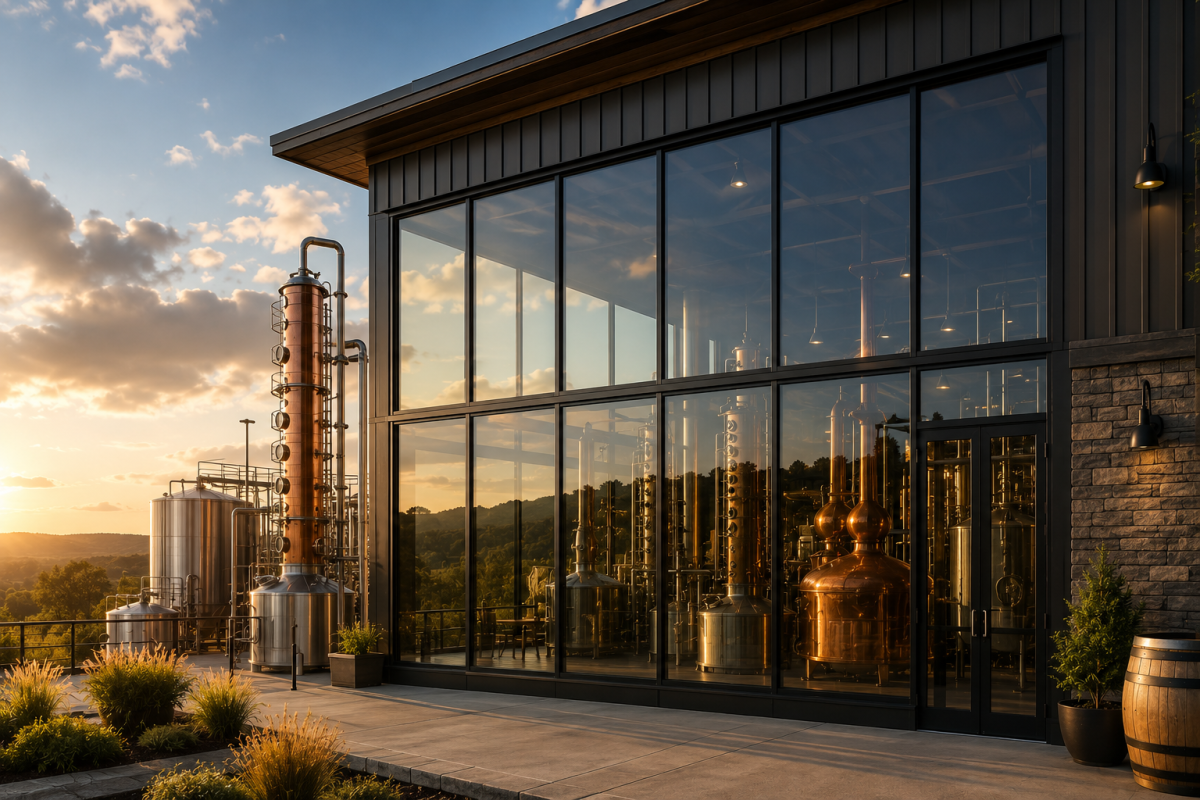
Milwaukee’s craft beverage scene has exploded over the past decade. From the Historic Third Ward to Bay View and Walker’s Point, taprooms and distilleries are breathing new life into old warehouses, former manufacturing facilities, and century-old brick buildings. These spaces have character in spades, but they almost always share one costly flaw: large single-pane windows that were never designed for modern climate comfort or product protection.
If you run a Milwaukee brewery or taproom, you already know what summer sun does to your space. Guests squint at window-side tables. Staff work in pockets of intense heat. Your cooling system runs overtime. And in your barrel room or product display area, UV light quietly does damage that most operators do not notice until it is too late.
MGT Glass Solutions installs solar-control window film for breweries, taprooms, and hospitality businesses throughout Milwaukee and the surrounding suburbs. This guide explains exactly what the problem is, how film solves it, and what you can expect for your specific type of space.
The Sun and Heat Problem in Glass-Forward Taprooms
Industrial renovation is a Milwaukee specialty. Buildings designed to hold machinery, not people, get converted into inviting social spaces. The result is aesthetically compelling, but thermally challenging. Original warehouse windows, often floor-to-ceiling or spanning full brick bays, admit enormous amounts of solar energy that a modern curtain wall system would never allow.
Solar heat gain through standard single-pane glass can account for up to 40 percent of a building’s cooling load on a hot day. In a Milwaukee summer, south- and west-facing windows in a taproom can raise the perceived temperature near the glass by 10 to 15 degrees Fahrenheit compared to the center of the room. Guests will avoid those tables. Staff will complain. Your HVAC will cycle constantly without ever fully winning.
Beyond comfort, there is a direct energy cost. Commercial HVAC systems running harder and longer consume more electricity. In a tight-margin hospitality business, that overhead is real money leaving your operation every month from May through September.
Taproom window tinting in Milwaukee addresses this at the source. Rather than compensating with additional cooling capacity, solar-control window film intercepts solar energy before it enters the building. High-performance films reject between 40 and 80 percent of total solar energy, depending on the product selected, which means your HVAC is fighting a much smaller load from the start.
UV Protection for Barrel Rooms and Product Displays
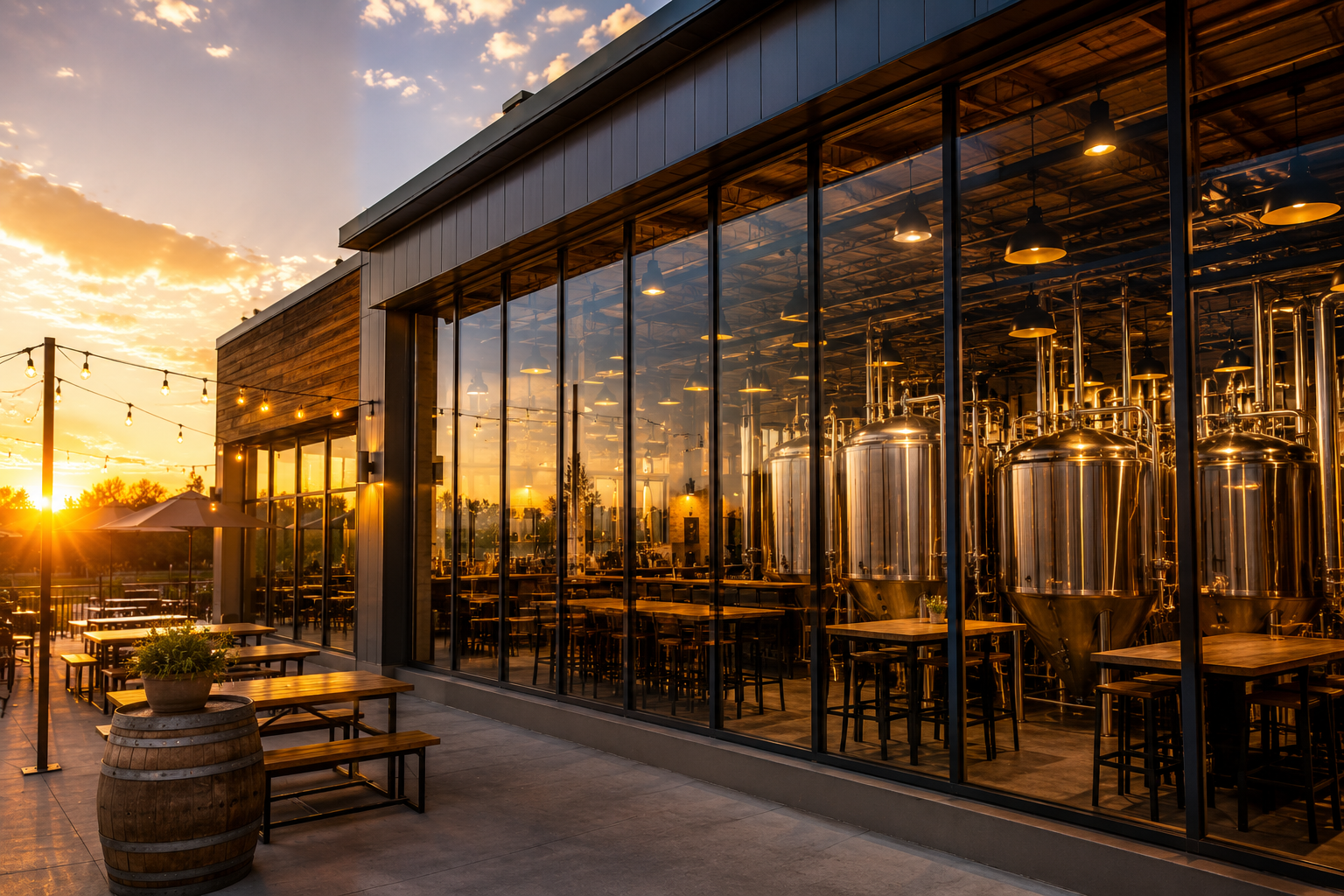 Heat is the problem guests and staff feel immediately. UV damage is the problem that accumulates quietly and costs more in the long run.
Ultraviolet light does two things that are directly relevant to craft beverage operations. First, it causes photodegradation in organic compounds. That means beer, spirits, wines, ciders, and any grain- or fruit-based product exposed to UV light over time will experience accelerated flavor change. Light-struck beer is a real phenomenon, and while most finished products are stored in kegs or cans, taproom display cases, bottle shelves behind the bar, and barrel storage areas near windows are all vulnerable to light exposure.
Second, UV light bleaches everything it touches. Upholstery, wood finishes, signage, branded merchandise on display, chalkboard paint, and even your concrete floors will fade faster without UV protection. For a taproom that spent real money on its interior design, that is a depreciation problem.
Most quality solar control films block 99 percent or more of UV-A and UV-B radiation. That is a meaningful level of protection for distillery UV protection needs, product display cases, merchandise shelving, and any wood or fabric element near your windows. The film does not need to be dark or reflective to achieve this. Even clear or lightly tinted films carry near-complete UV rejection as a standard feature.
For barrel rooms with exterior window exposure, south-facing wall considerations matter most. We cover that specifically in the FAQ section below.
How Solar Film Preserves the Industrial Look
The most common concern we hear from taproom and brewery owners is that window film will change the character of their space. They spent months or years sourcing the right exposed brick, the right steel fixtures, the right pendant lighting. The last thing they want is a film that makes the windows look like office tinting from 1995.
Modern solar control film is not what most people picture. The product category has advanced considerably, and today’s options include neutral, low-reflectivity films that are nearly invisible from both the inside and the outside of the building. They preserve natural light transmission while still rejecting a significant portion of solar heat. For historic Milwaukee brewery buildings with original wood windows or divided-light configurations, there are films thin enough to apply without altering the glazing’s visual profile.
For operators who want a specific aesthetic, there are also films with a subtle warm or cool tint that can actually enhance the industrial character of a space. Slightly tinted glass reads as intentional design. It can complement steel-and-brick palettes rather than fight them.
The key is matching the right film to the specific window, orientation, and design intent. That is a conversation we have with every client before any installation begins. MGT Glass Solutions does not apply a one-size-fits-all product. We evaluate your space, your goals, and your aesthetic priorities before recommending a film.
You can learn more about this product category in our overview of sun control film, which covers the optical and thermal mechanics behind different film types.
Energy and Comfort ROI
Window film is a capital improvement with a measurable return. For Milwaukee hospitality operators, the ROI calculation runs across several categories.
Energy savings: Reducing solar heat gain lowers cooling load, which lowers electricity consumption. Most commercial installations see HVAC energy savings of 5 to 15 percent during peak cooling months. In a 3,000- to 6,000-square-foot taproom with significant south or west glazing, that represents real annual dollar savings.
Extended furniture and fixture life: UV protection slows the degradation of upholstery, wood surfaces, signage, and merchandise. This reduces replacement frequency for interior elements and protects your design investment.
Improved guest experience: Eliminating hot zones near windows means every table in your taproom is a comfortable table. Guests stay longer and return more often when they are physically comfortable.
Reduced glare: Direct sun glare on screens, POS terminals, and television displays is a daily operational annoyance in many taprooms. Film reduces glare without requiring blinds or shades that block the view entirely.
Low disruption installation: Window film can be installed on a closed Monday morning or during off-peak hours. Unlike window replacement, there is no construction, no mess, and no days-long closure. Most commercial taproom installations are completed in a single day.
For a more detailed look at how different film types perform thermally, our post on the effectiveness of reflective film at blocking heat breaks down the numbers by product category. If you are comparing film options or building an internal business case, that resource is a useful reference.
MGT Glass Solutions also offers commercial window tinting services beyond the solar control category, including decorative, safety, and privacy films. For breweries and taprooms, solar control is typically the primary need, but many clients combine film types to address multiple goals in a single installation.
Schedule a Milwaukee Taproom Visit
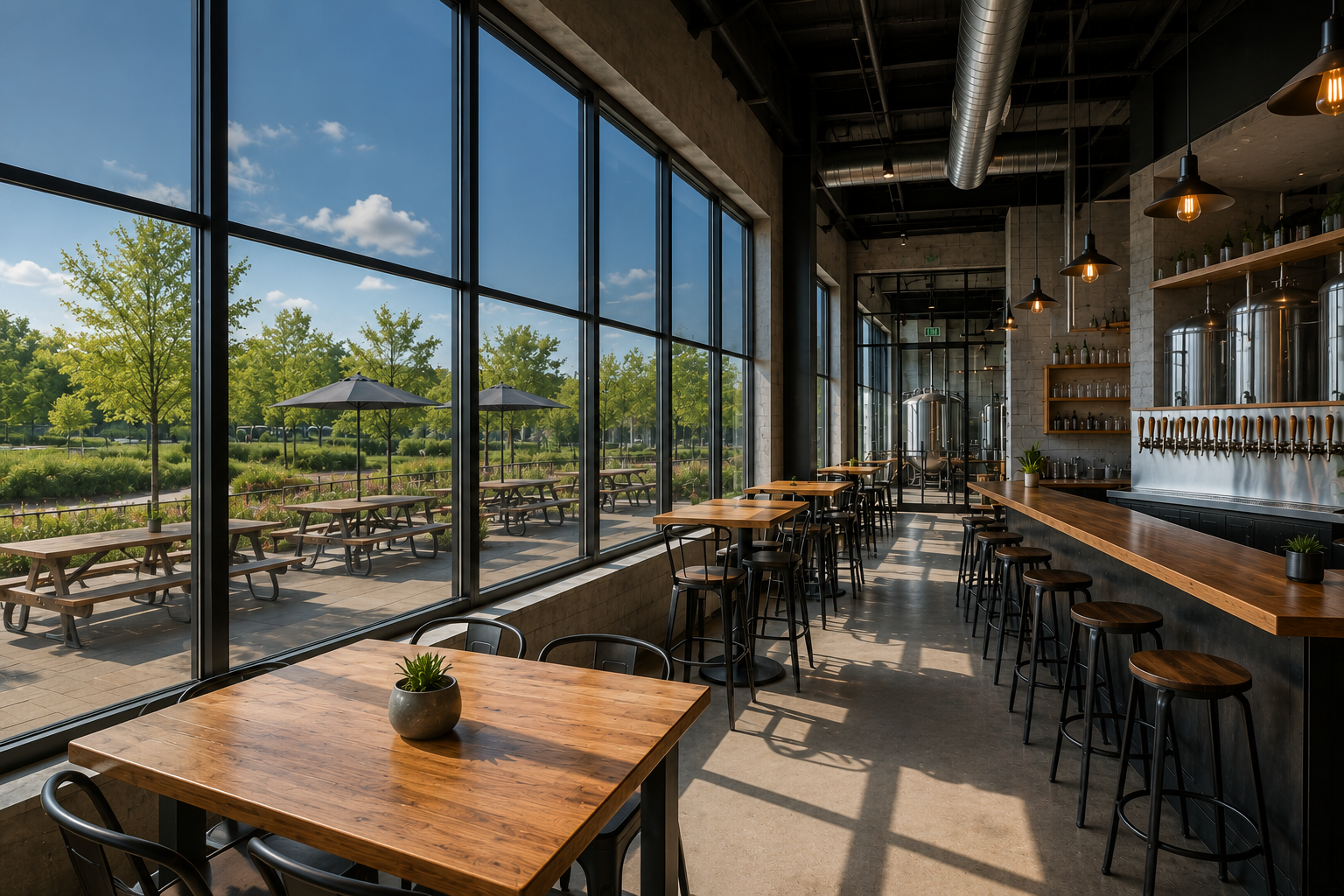 MGT Glass Solutions serves Milwaukee and the surrounding suburbs, including Wauwatosa, West Allis, Shorewood, Glendale, Greenfield, Oak Creek, Franklin, and beyond. We work with taprooms, breweries, distilleries, cideries, and hospitality operators of all sizes.
The best way to get an accurate recommendation is a site visit. We walk the space with you, assess window orientation, glazing type, and your specific problem areas, and provide a written proposal with film options and pricing. There is no obligation and no pressure.
To schedule your free assessment, contact MGT Glass Solutions directly. We will set up a time that works around your operating hours so there is no disruption to your business.
Frequently Asked Questions
Will solar film darken the taproom?
Not significantly, and in many cases not noticeably at all. The degree of visible light transmission depends on the selected film product. Neutral solar control films can maintain 70 percent or more of visible light while still rejecting a meaningful portion of solar heat. For taprooms where natural light and an open feel are part of the brand, we typically recommend high-transmission films. These look nearly identical to uncoated glass from both the inside and the outside of the building. If a reduction in brightness is acceptable, mid-range transmission films offer greater heat rejection. We always show samples and discuss expectations before installation.
How much UV does window film block?
Most quality solar control films block 99 percent or more of UV-A and UV-B radiation. This is true across a wide range of film products, including clear and lightly tinted options. UV rejection does not depend on the film’s darkness. Even a nearly invisible film provides near-complete UV protection, which matters for product displays, barrel rooms near windows, and any interior surfaces you want to preserve long term.
Can film be installed on historic Milwaukee brewery buildings?
Yes. Film installation is non-destructive and reversible, which makes it appropriate for historic structures and buildings with original glazing. The film is applied to the interior surface of the glass and does not alter the exterior appearance in any way that would conflict with historic preservation guidelines. For buildings with original wood frames, divided lights, or single-pane historic glass, we select thinner, more flexible film products designed to adhere cleanly without stress on older window systems. If your property is subject to historic district review, we can provide product documentation for the approval process.
Is film appropriate for south-facing barrel rooms?
Yes, and south-facing barrel rooms are actually among the strongest use cases for solar control film in a brewery or distillery setting. South-facing exposure in Milwaukee means maximum solar intensity throughout the day from late spring through early fall. If your barrel room has windows on a south-facing wall, those windows are admitting both heat and UV light during the period when ambient temperatures are already highest. Film reduces the UV load on your barrels and aging product while also lowering the ambient room temperature, which reduces stress on any temperature control systems you have in place. For barrel rooms without climate control, film alone can make a meaningful difference in summer temperatures near the windows.