
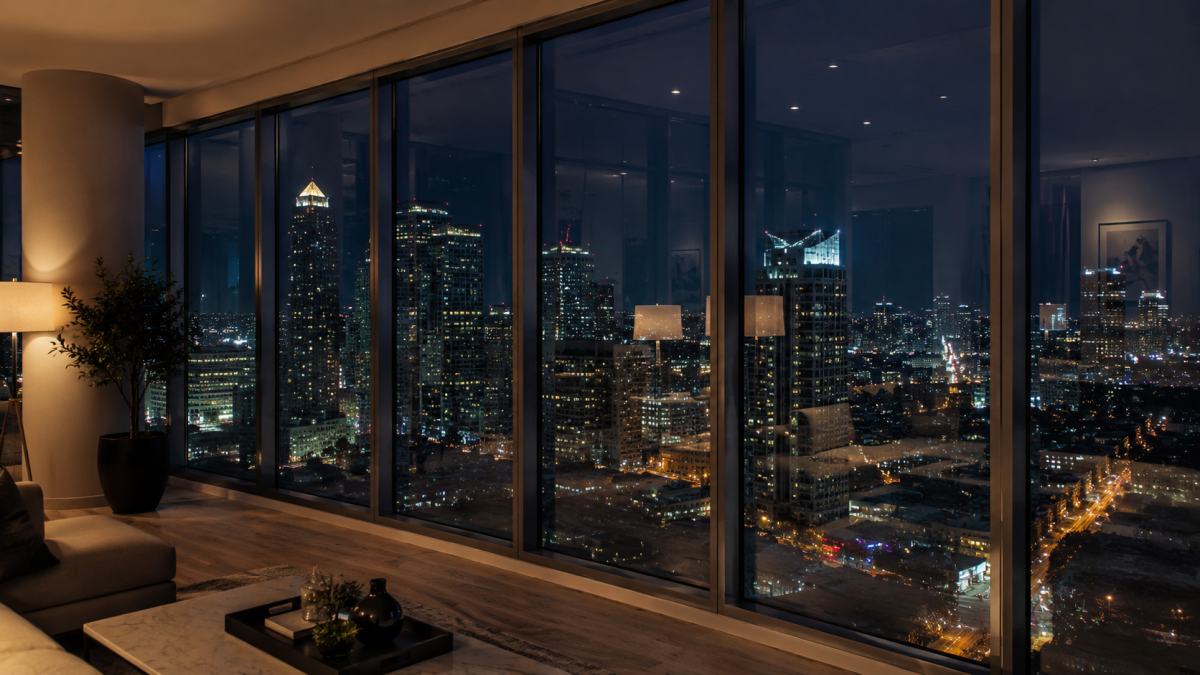
When it comes to window films, one of the most common questions people ask is whether they can still see through them at night. After all, window films are popular for their ability to provide privacy, enhance security, reduce glare, and improve energy efficiency. However, the effectiveness of these films can vary depending on the time of day or night. In this blog post, we’ll dive into how window films work, their visibility effects during the day and at night, and tips for choosing the right film for your needs.
What Are Window Films?
Before we answer whether you can see through window films at night, let’s first understand what window films are and how they function. Window films are thin, adhesive sheets of material applied to the surface of windows. These films come in various types, each with different purposes, such as:
- Privacy Films: These films limit visibility from the outside, making it harder for passersby to see inside.
- Solar Control Films: These are designed to reduce heat gain, glare, and UV rays, making your space more comfortable.
- Security Films: These films help strengthen glass and prevent shattering.
- Decorative Films: These films add aesthetic appeal, offering a frosted or tinted look.
Window films work by altering the way light passes through the glass. They can be tinted, reflective, or even frosted, and each style affects visibility differently depending on the time of day.
How Do Window Films Work During the Day?
During the daytime, when the sun is shining, the effect of window films is quite noticeable. Here’s how they typically perform:
- Tinted Films: Tinted window films reduce the amount of light that enters a space, which can help keep the interior cooler. During the day, the darker the tint, the more privacy you get. This is because tinted films reduce the amount of light passing through, making it harder for people outside to see inside.
- Reflective Films: Reflective films are often mirror-like, with a shiny exterior that reflects sunlight. These are particularly effective at blocking visibility from the outside. People outside are likely to see their reflection on the glass rather than what’s happening inside.
- Frosted Films: Frosted window films obscure the view into the space, providing privacy without significantly reducing natural light. However, they don’t block visibility as much as reflective or heavily tinted films.
In all cases, the difference in light levels greatly influences visibility through the window. When it’s brighter outside than inside, the films are more effective at keeping prying eyes away.
The Effect of Window Films at Night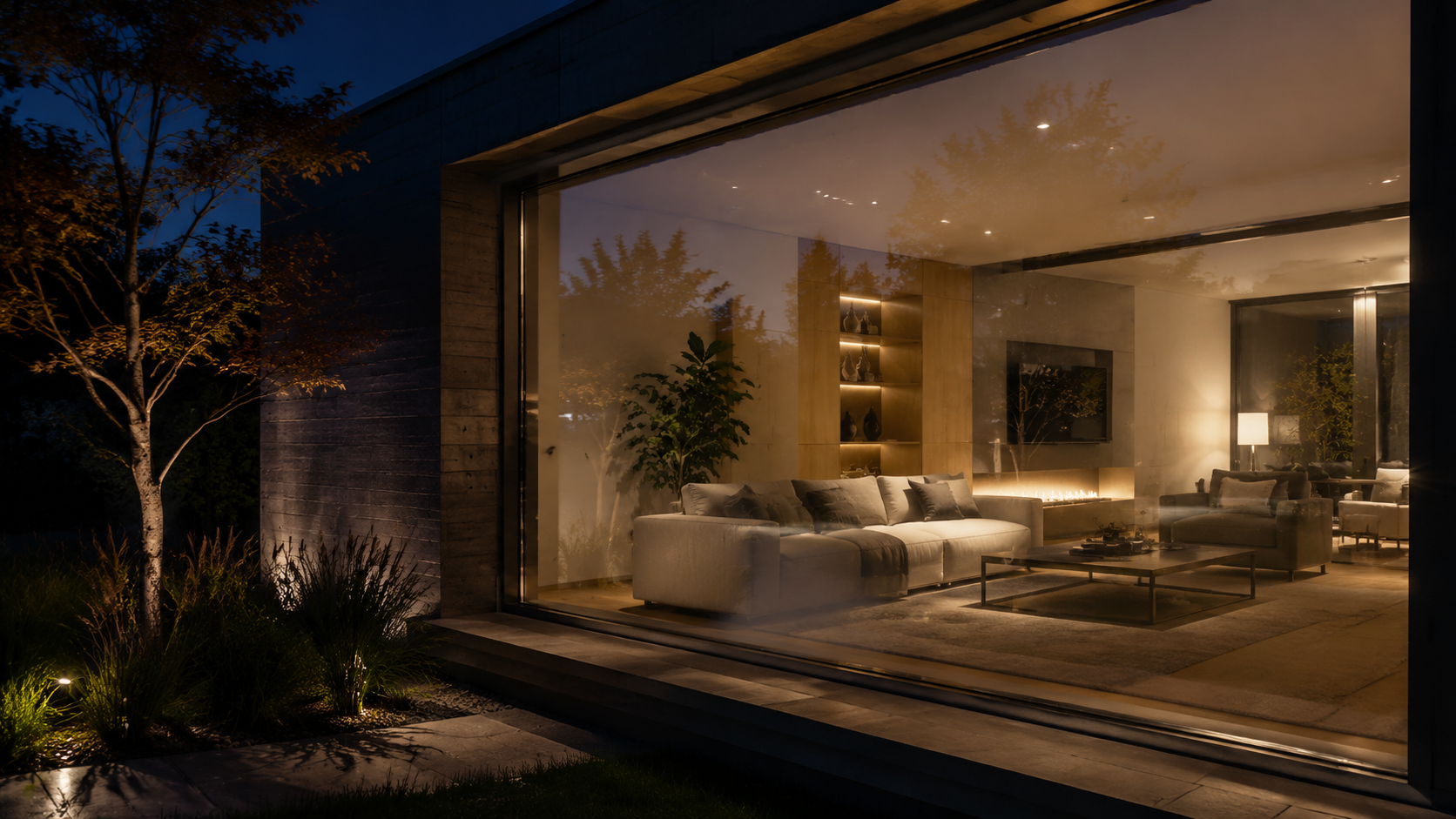
At night, when lighting conditions change drastically, window films behave slightly differently. Here’s how:
1. Visibility Changes with Light Levels
- Daytime: Outdoor light is brighter, and window films block more of the view from outside.
- Nighttime: The interior is brighter from indoor lighting, while the outside is dark. This creates a reversal, making it easier for people outside to see inside.
2. Tinted Films at Night
- Tinted films are less effective at night in blocking visibility.
- Since indoor lighting is brighter than outdoor lighting, the tint can’t prevent outsiders from seeing in.
- Darker tints are less effective at night.
- Privacy concern: If privacy is important at night, tinted films may not offer the protection you’d expect.
Example: A heavily tinted film may block visibility during the day, but at night, it becomes much easier for outsiders to see inside with the lights on.
3. Reflective Films at Night
- Reflective or mirror-like films work well in daylight and become much less effective at night.
- These films rely on sunlight to create a mirror effect; indoor light overwhelms outdoor light at night.
- While they still offer some privacy, the difference between day and night is significant.
4. Frosted Films at Night
- Frosted films scatter light and blur the view, providing decent privacy at night.
- Won’t block visibility entirely, but it will prevent clear views into your home.
- Not perfect: With strong indoor lighting, someone close to the window might still discern shapes or figures inside.
5. Clear Films
Some window films are completely clear, designed to offer protection against UV rays or minor security enhancements without altering the appearance of the glass. These films do not provide any additional privacy at night, and your interior can be easily visible from the outside.
How to Enhance Privacy at Night with Window Films
If privacy at night is a significant concern for you, here are a few ways to enhance your security and ensure that you can’t be easily seen through your window films:
1. Layering Window Treatments
One effective strategy is to combine window films with other window treatments such as curtains, blinds, or shades. These can be closed at night to block visibility, adding an extra layer of protection to your privacy. This is especially useful for homes or offices with high-traffic areas outside, such as streets or parking lots.
2. Use Dual-Purpose Films
Some modern window films are designed specifically to maintain privacy both day and night. These films typically have a combination of features, such as one side reflective and the other frosted or lightly tinted. These films offer better privacy protection both day and night, as they balance light transmission with opacity.
3. Install Motion-Activated Lighting Outside
Adding lighting outside your windows can help enhance privacy at night. For instance, motion-activated lights around your property can reduce the contrast between the inside and outside of your home, making it more difficult for people to peer through your windows at night.
4. Invest in High-Quality Films
Not all window films are created equal. Higher-quality window films are often better at maintaining privacy at night. They may have a thicker material layer or a more advanced reflective coating that offers privacy both during the day and at night. Always ask about a window film’s effectiveness in both day and night when selecting one for privacy.
3M Sun Control Window Film Night Vision Series: A Solution for Nighttime Privacy
If you’re looking for a window film that ensures privacy even at night without sacrificing natural light during the day, the 3M Sun Control Window Film Night Vision Series from MGT Window Solutions could be an excellent choice.
The Night Vision Series is specifically designed to enhance privacy while offering excellent heat rejection and UV protection. This product stands out for its unique ability to provide high privacy at night, thanks to its specialized reflective properties. Unlike traditional reflective films, the Night Vision Series is designed to maintain privacy even when the lights are on inside your home or office.
Conclusion
While standard window films may not offer full privacy at night due to lighting differences, there are several strategies you can use to maintain privacy, such as pairing films with curtains or choosing dual-reflective or smart window films. For a reliable solution that ensures privacy during both day and night, the 3M Sun Control Window Film Night Vision Series from MGT Window Solutions is a top-tier choice, offering advanced technology, heat rejection, UV protection, and excellent nighttime privacy. Contact MGT Window Solutions today for a consultation, and let us help you choose and install the ideal window films that meet your needs.
Investing in the right type of window film allows you to enjoy the benefits of privacy, comfort, and UV protection at any time, day or night.
Frequently Asked Questions
Are there window films that maintain privacy both day and night?
Yes, there are films that can provide privacy both day and night. These include frosted or opaque films, which obscure the view from both the inside and outside. Additionally, films specifically designed to reduce visibility, such as blackout or mirrored films, can work well for around-the-clock privacy.
Are there films that reflect light and provide privacy both day and night?
Yes, there are multilayered or advanced films, such as those with a dual-reflective coating, that can offer privacy both day and night. These films are designed to maintain their reflective properties both when it’s light outside and when the interior lights are on, though they can be more expensive.
How can I maintain privacy when using window films at night?
To maintain privacy at night, consider combining window films with window coverings such as blinds, shades, or curtains. You could also opt for privacy films, such as frosted or blackout films, that obscure visibility from both inside and outside at any time of day.